SUSTAINABILITY REPORT 2026
All data in this report are as of 31 March 2026 and all monetary figures are presented in USD, unless otherwise stated. Period-based metrics are reported for the relevant period indicated.
Letter FROM THE MANAGEMENT TEAM
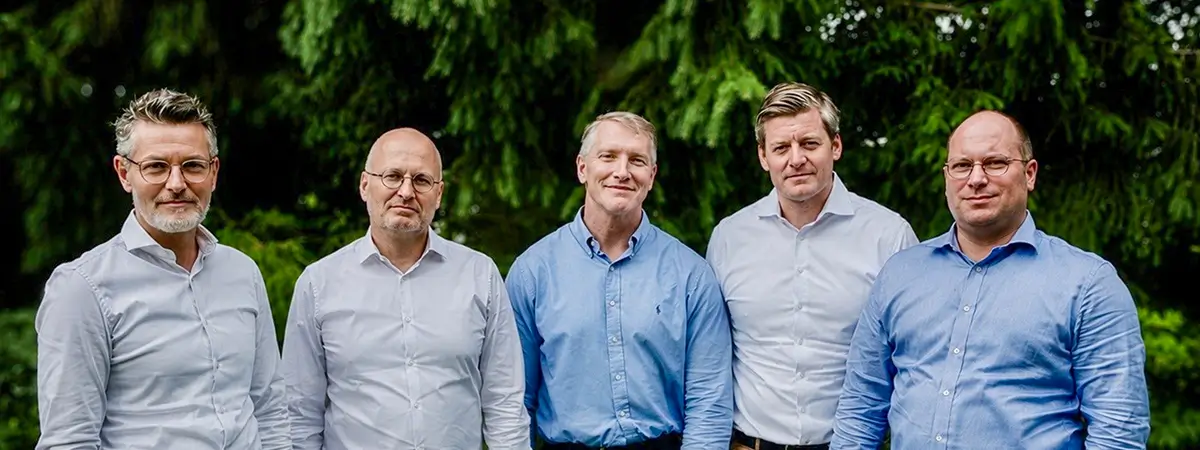
In an increasingly complex and interconnected world, the role of capital is evolving. Investors are no longer asking only how capital performs, but also what it enables. At Enabling Qapital (EQ), we believe that financial returns and measurable impact are not competing objectives; they are mutually reinforcing outcomes when capital is deployed with discipline and purpose.
Over the past year, we continued to strengthen this conviction. Our work remains anchored in financial inclusion, a critical lever for expanding economic opportunity. Yet as this report shows, financial inclusion is not a standalone solution. It is one component of a broader ecosystem shaped by structural challenges, including inequality, climate vulnerability, and limited access to essential services. Understanding both the potential and the limitations of our contribution is central to how we invest.
In this context, we have focused on sharpening the quality of our impact. This has meant going beyond access metrics to better understand borrower outcomes, affordability, and resilience. Our portfolio analysis demonstrates that the majority of our investees continue to serve low-income populations in a disciplined manner, with lending practices aligned to borrower capacity. At the same time, we recognize that responsible finance requires constant vigilance, particularly in ensuring that growth in access translates into sustainable benefits for end clients.
Strengthening our internal capabilities has been equally important. Over the past year, we have enhanced our investment processes, deepened ESG integration, and reinforced risk management across all strategies. These efforts are not incremental improvements, but part of a continuous evolution toward more structured, data-driven decision-making. In an environment shaped by geopolitical uncertainty and shifting market dynamics, maintaining this discipline is essential to safeguarding both impact and financial performance.
We have also continued to expand our platform. The launch of our Sustainable Bond Strategy marks an important step into investing in liquid impact, broadening our ability to mobilize capital across different market segments. At the same time, our clean cooking investments reflect our commitment to addressing climate and social challenges through scalable, market-based solutions. These initiatives are united by a common objective: to build investment strategies that are both impactful and institutionally robust.
None of this would be possible without our global team. Their expertise, diversity, and commitment remain at the heart of what we do. As an organization, we continue to invest in our people, recognizing that long-term impact depends on strong internal culture, continuous learning, and shared accountability.
As we look ahead, the direction remains clear. We will continue to refine our approach, challenge our own assumptions, and strengthen the link between capital and outcomes. In doing so, our aim is not only to grow, but to contribute meaningfully to more inclusive and resilient economic systems.
We thank our investors, partners, and stakeholders for their continued trust and collaboration. Looking forward to moving more money to meaning together!
Best,

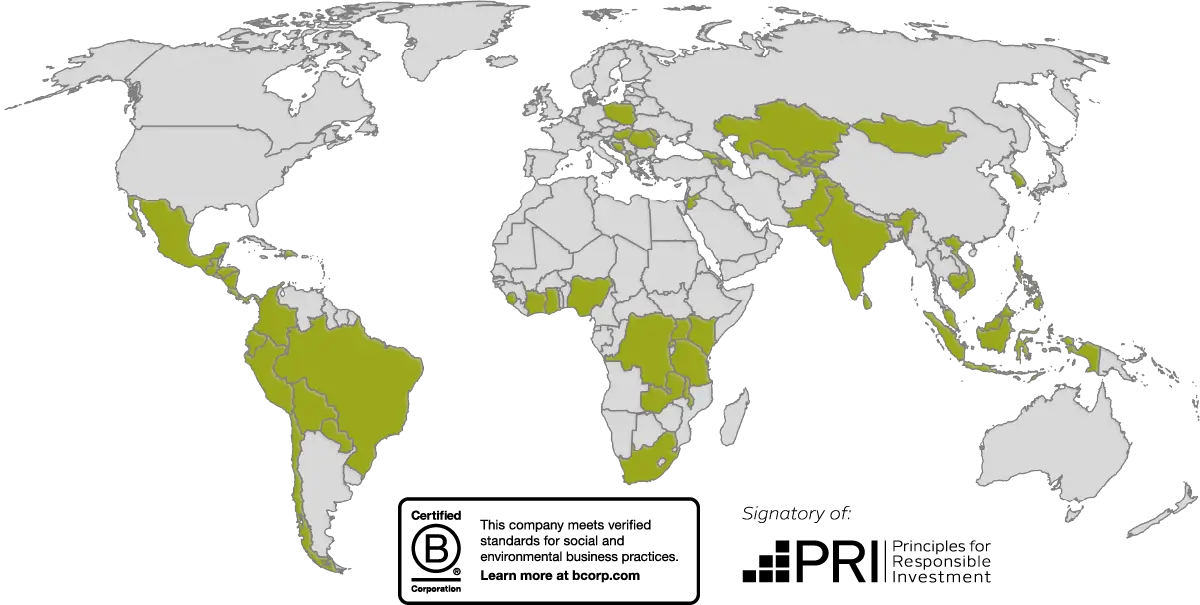
Operational Scale




Reach & Inclusion



Our Contribution to the SUSTAINABLE DEVELOPMENT GOALS



The SDGs presented reflect the areas of impact most relevant at portfolio level for the reporting period as of end Dec 2025.
Inside Enabling Qapital: A GLOBAL TEAM DRIVING IMPACT
At EQ, collaboration across borders, cultures, and perspectives is central to how we operate.
Team Diversity


Our team members bring together a rich mix of experiences, ideas, and cultural perspectives that support innovation, adaptability, and strong connections to the markets and communities we serve. This diversity underpins a culture of inclusion and shared purpose, enabling us to operate across geographies.
We are equally committed to balanced representation across the organization. As of March 2026, our workforce comprises 42% women, slightly above our four-year average of 40.5% and broadly aligned with global financial sector benchmarks. At governance level, EQ’s Board consists of 40% women, reflecting inclusive leadership at the highest level.
As a Swiss impact asset manager, our mission goes beyond financial performance to generate meaningful social, environmental, and economic (ESG) outcomes. Delivering on this objective requires an engaged and empowered team, making investment in our people central to long-term sustainability and organizational resilience.
Building an inclusive workplace through data and structured approaches
EQ strengthened its internal approach to diversity and inclusion through the adoption of a Gender Toolkit, which complemented the broader Gender Strategy. The toolkit provides a structured framework to enhance the consistency and visibility of gender-related workforce data. By standardizing data collection and interpretation, EQ is better positioned to identify trends and gaps, support informed decision-making and align human resources (HR) initiatives with inclusion objectives. This approach supports a gradual transition towards more data-driven monitoring of gender outcomes, while recognizing that progress may vary across teams and functions.
Our approach to people development and well-being
At EQ, our people remain central to delivering sustained impact and performance. We strive to create an environment where teams feel supported, motivated, and empowered to grow both professionally and personally. Through continued investment in our people and policies that promote well-being, continuous learning, career development, and work–life balance, we foster a culture in which talent can thrive.
1. Team growth and development
Investing in our people
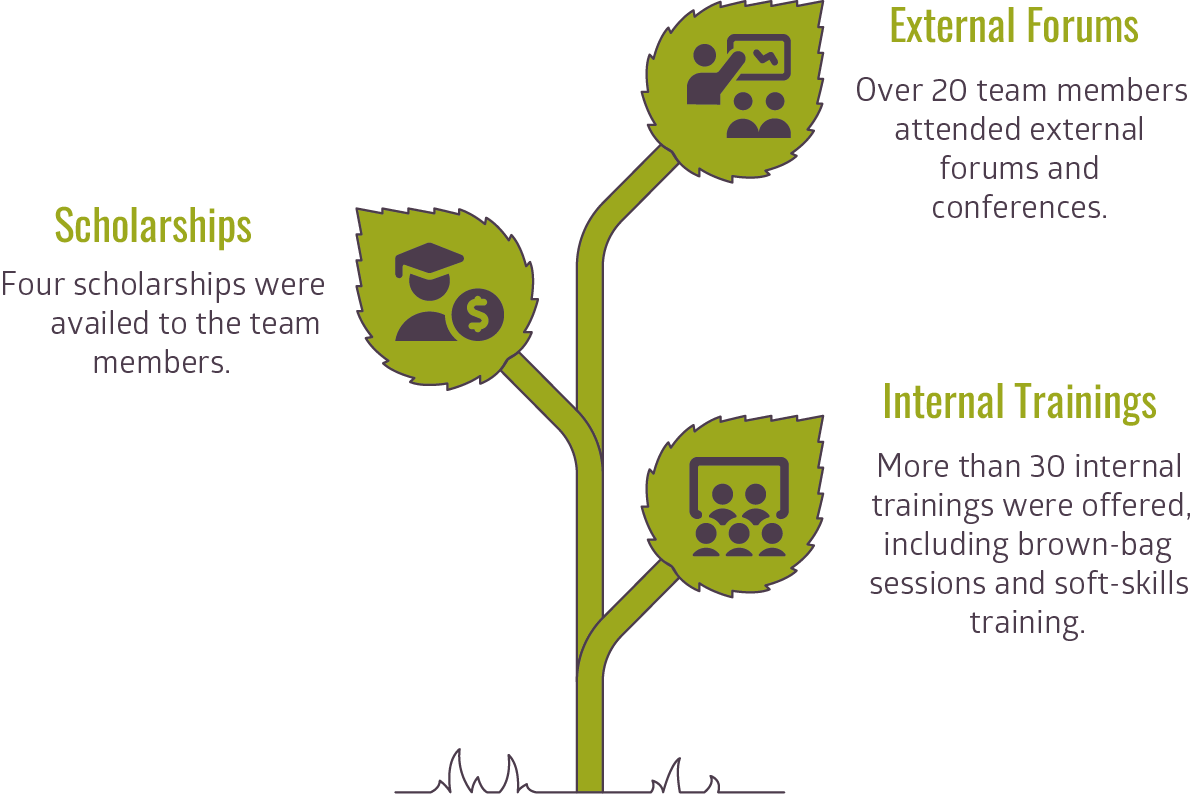
EQ supports career development through three main channels: scholarships, external engagement and internal training.
A structured scholarship program enables the team to pursue further education and professional qualifications, offering full or partial financial support. All team members are granted up to five working days per year to prepare for and sit examinations for privately attended courses.

SOSPETER WAINAINA
Senior Data Engineer, EQ
Through the EQ Scholarship I joined the Data Engineering School during a period of real change for our data team. The value went beyond my own skills and it gave me a stronger foundation to set direction, raise the standard of what we build, and grow my team. Learning that compounds across a team is the kind worth investing in.
External engagement through participation in industry-recognized training and global conferences ensures our team remains connected to the best global practices and emerging trends. Through participation in recognized forums such as:
- AFSIC – Investing in Africa
- GOGLA Expo – Global Off-Grid Solar Forum & Expo
- MFC Conference
- AFIFORUM – Asia Financial Institutions Forum
- Microfinance Centre Annual Conference
- Broader Financial Inclusion events
- Targeted leadership and sustainability training programs
Alongside this, internal training remains a core focus, embedding continuous learning into day-to-day operations and aligning development with organizational priorities. These opportunities strengthen technical expertise while supporting long-term capability building and career progression.
2. Building capability and digital readiness
Learning initiatives continue to evolve to reflect changing ways of working and collaboration. Greater emphasis has been placed on adaptability, connection, and practical capability-building.
A key focus area has been strengthening interpersonal effectiveness across our global workforce. Dedicated sessions on communication and relationship management, both in professional and personal contexts, have been equipped with practical tools to foster stronger, more effective collaboration across diverse teams and settings.
At leadership level, managers participated in structured Delegation Series (a structured training program designed to enhance managers’ delegation, oversight, and team management skills) and the Preventing Quiet Cracking & Building Sustainable Engagement program. These sessions were designed to strengthen skills in delegation, engagement, and early identification of burnout or disengagement risks.
Continuous learning was reinforced through quarterly refresher sessions covering:
- Risk and compliance
- HR and IT policies
- ESG priorities
- Investment-related knowledge
These sessions support alignment, accountability, and consistency across the organization.
Recognizing the growing importance of digital capability, EQ also expanded its focus on technology and AI readiness. In collaboration with the Microsoft Copilot team, practical AI learning sessions were developed to support responsible and effective use of AI tools, tighten productivity workflows and digital confidence. These trainings supported improved productivity, better information management, smarter workflows and stronger digital confidence. Together, these initiatives contribute to a workforce that is engaged, capable and future-proof.
MARGARET MAINA
Senior Portfolio Analyst, EQ
As a Senior Portfolio Analyst, I support day-to-day business operations by ensuring reliable, well-documented data processes and clear communication, thereby improving efficiency and reducing dependency risks. Leveraging Copilot training, I have implemented a dedicated Copilot agent to streamline troubleshooting, documentation, and communications, enhancing productivity, consistency, and turnaround time in my daily work.

3. Team well-being
Team well-being remains a key priority. EQ provides a fully sponsored Team Assistance Program offering confidential counselling for workplace and personal challenges, supported by a qualified Senior Clinical Psychologist. EQ also maintains a strict zero-tolerance policy on sexual harassment, supported by confidential reporting mechanisms and access to professional support services.
4. Promoting work-life balance
At EQ, we recognize that sustainable performance requires balance. Flexible and inclusive working arrangements are offered to meet the needs of our global workforce, including:
- Flexible remote and hybrid working arrangements (87% of team members avail themselves of flexible work arrangements)
- Annual, study leave and compassionate leave
- Maternity and paternity leave
- Sabbatical and relocation leave
- Travel compensation leave
These measures support a balanced and sustainable working environment.
5. Compensation, benefits, travel and workplace flexibility
EQ maintains a fair and transparent compensation framework, aligned with market practices and organizational performance. To support it, a structured travel framework is in place that includes:
- Full reimbursement of travel expenses
- Provision of accommodation and meals support during business travel
- Travel insurance coverage to support employee safety and well-being while travelling
- Compensatory time arrangements for extended travel
- Flexibility to combine business travel with personal travel extensions for travel efficiency
- Option to travel with immediate family members
This ensures team members are well-supported during international collaborations. In addition, EQ offsets the carbon emissions associated with business travel, including flights, through the purchase of carbon credits, with a focus on biomass-based solutions in partnership with specialized providers.
6. Embedding sustainability from day one: the EQ sustainability starter kit initiative
EQ integrates sustainability not only where we invest, it is also embedded in our everyday operations through initiatives such as the EQ Sustainability Starter Kit Initiative. The initiative reflects our belief that meaningful environmental impact is often built through small, everyday actions that collectively create lasting change.
Through this program, new team members receive a one-time allowance to purchase reusable, environmentally friendly items, encouraging sustainable habits from the outset. This initiative reduces reliance on single-use materials and reinforces the importance of everyday actions in contributing to broader environmental goals.
The objective is simple but meaningful: to make sustainable choices easy, accessible, and visible across the organization.

Financial INCLUSION
A Targeted Contribution to ECONOMIC RESILIENCE
Poverty as a multidimensional challenge
Poverty remains one of the most important development challenges of our time. SDG 1, No Poverty, is not simply a call to raise income levels. It is a recognition that poverty is shaped by inadequate access to services, systemic inequality, exposure to climate risk, fragile health systems, and limited educational opportunity. No single financial instrument can address all these dimensions at once.
The fragility of poverty reduction gains became starkly visible in recent years, when the COVID-19 pandemic reversed years of progress in poverty reduction and pushed tens of millions into extreme poverty globally2. Climate change adds a further structural threat. Under the most adverse scenarios, climate impacts could push more than 130 million additional people into poverty by 20303. Strategies aligned with SDG 1 should be assessed not only by how many people they reach, but by an honest understanding of what financial access can and cannot achieve on its own.
Financial inclusion: a necessary lever, not a sufficient one
Between 2010 and 2015, the development community recalibrated its understanding of microfinance. What had once been framed as a poverty cure was recognized more accurately as a pillar of financial inclusion, a tool to help low-income individuals manage financial shocks, stabilize income, and participate more fully in the economy. Today, dozens of countries have formalized national financial inclusion strategies4, and SDG 1 explicitly references access to microfinance as one of its sub-targets5.
What financial inclusion does not do, on its own, is address the structural drivers of poverty, including weak institutions, limited human capital, inadequate infrastructure, and vulnerability to climate and economic shocks6. This is the appropriate frame for evaluating a financial inclusion investment strategy: not against an unrealistic benchmark of poverty eradication, but as a targeted, measurable contribution to one of the major development challenges today.
Persistent inclusion gap despite expanded access
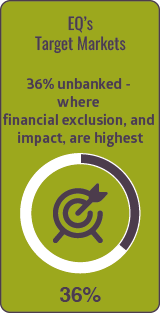
Despite substantial gains in financial account ownership globally (5% since 2021), access to financial services has not translated uniformly into financial security or resilience. 2024 Global Findex data underline the persistent fragility faced by low-income households, particularly in developing economies.
Exclusion Level
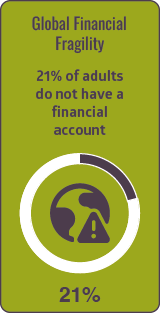
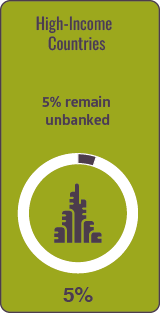
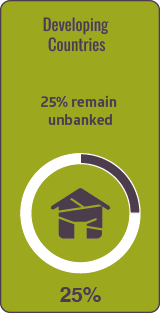
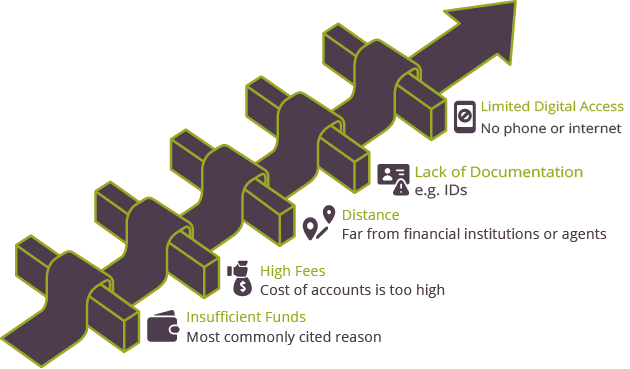
Primary barriers to financial inclusion remain:
Financial Inclusion Barriers
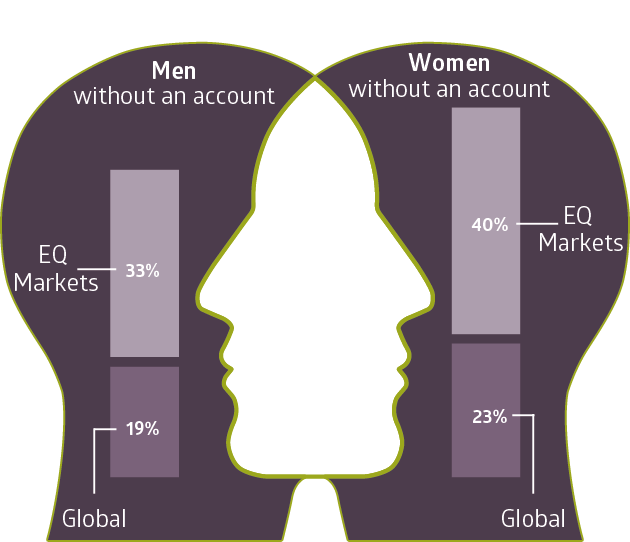
Gender Gap
Globally, only 55% of adults report saving any money, and just 40% save through a formal financial institution. This limited formal savings base constrains financial resilience: nearly eight in ten adults (79%) report difficulty in raising emergency funds within 30 days. The challenge remains severe among the poorest 40% of the population7.
These patterns highlight a crucial distinction between financial access and financial effectiveness. Formal inclusion alone does not guarantee resilience, income smoothing, or protection against economic shocks. The depth, affordability, and appropriateness of financial services matter as much as their availability.
In this context, microfinance institutions that maintain disciplined loan sizing, preserve borrower affordability, and apply responsible lending practices continue to play a critical role. The relevance of affordability metrics, such as loan size relative to income, lies precisely in their ability to bridge the gap between expanding financial access and delivering meaningful financial resilience for low-income households.
What our financial inclusion strategy achieved
The analysis8 draws on our SDG 1 portfolio review, which assesses the affordability of lending across our investee universe. The primary metric used is the ratio of average loan size to gross national income (GNI) per capita, a widely recognized proxy for depth of outreach. Lower ratios indicate lending to relatively lower-income borrowers, reflecting stronger alignment with financial inclusion objectives9.
The composition of the portfolio across institutional tiers is a key driver of outreach but also reflects inherent trade-offs. While Tier 3 institutions (assets below USD 50 million) are often most effective at reaching smaller, lower-income borrowers, particularly in segments with limited documentation and access, they also tend to operate with higher risk and limited scalability. In contrast, Tier 1 and Tier 2 institutions provide scale, institutional resilience, and broader distribution networks, yet may be less deeply embedded in the most underserved segments. A portfolio spanning all three tiers can therefore enhance overall financial inclusion impact but requires careful calibration to balance depth of outreach with stability and scalability.
Alignment with affordable loan sizes
The most significant finding from our analysis is the overall strength of affordability alignment across the portfolio. Two in three investees, approximately 63%, operate with an average loan size at or below 100% of GNI per capita in their country. This is the most direct indicator that lending is reaching relatively low-income borrowers.
- ~63% of investees at or below 100% of GNI per capita
- ~13% at 101-150% of GNI per capita
- 14% at 150-250% of GNI per capita
- ~10% above 250% of GNI per capita
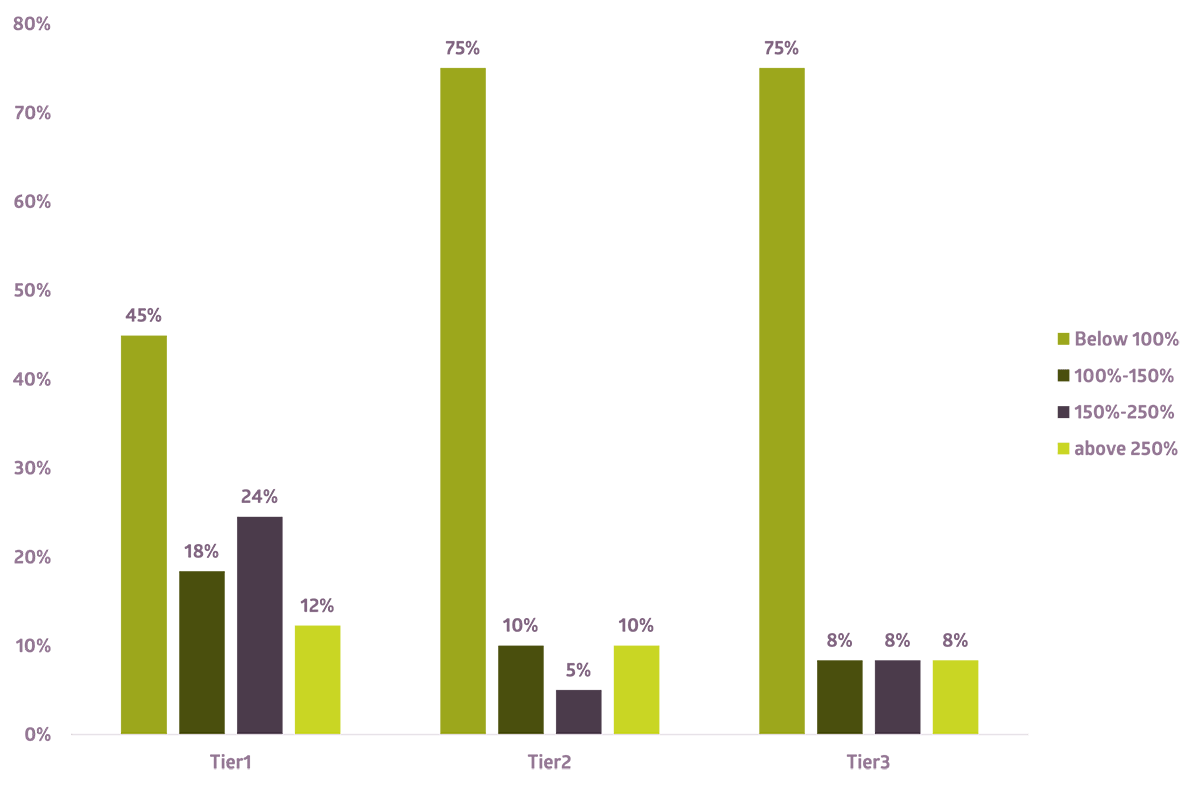
When viewed through a tier lens, Tier 1 institutions show the widest spread exposure (approximately 12% above the 250% threshold). Tier 2 displays the most contained exposure, with roughly 10% of institutions above 250%. Tier 3 sits at approximately 8%, consistent with its focus on smaller, lower-income borrowers.
Affordability Alignment Across Invested Regions
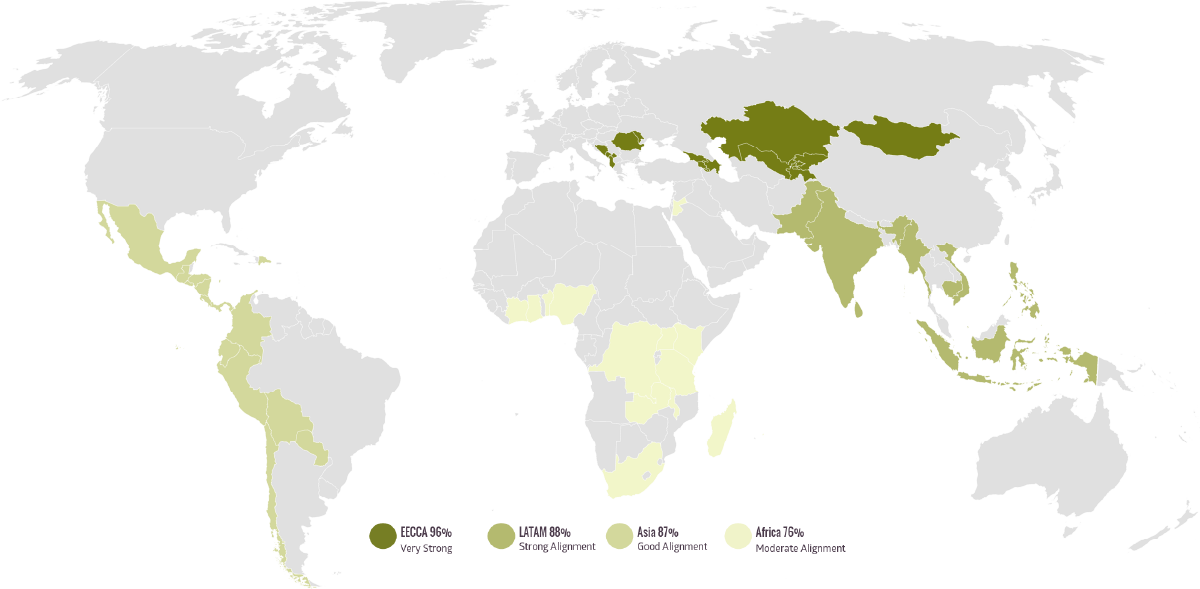
The regional overview shows strong outreach across Latam (Latin & Central America), Eastern Europe, Caucasus & Central Asia (EECCA), Southeast Asia, and Africa, with most loans provided below 250% of Gross National Income (GNI) per capita. In EECCA, this is especially evident, as 69% of investees lend at or below 100% of GNI per capita. Even in regions with higher ratios, these cases constitute only a small portion of the portfolio, highlighting the continued emphasis on accessible loan sizes for end borrowers.
From impact metrics to portfolio insight
The affordability analysis relates to three dimensions of portfolio evaluation:
- Portfolio resilience: institutions maintaining strong affordability alignment are, by definition, serving borrowers with modest financial means. This requires robust credit methodology, appropriate loan sizing, and genuine knowledge of the client base, disciplines that are foundational to sound portfolio management.
- Responsible finance: average loan size relative to GNI per capita is not merely an impact metric. It is a proxy for mission alignment and a leading indicator of whether an institution is deepening or retreating from its financial inclusion mandate.
- Portfolio monitoring: the regional and tier-level analysis identifies where higher loan-to-GNI concentrations exist. This kind of differentiated, data-driven view is what allows impact measurement to inform portfolio oversight.
Financial inclusion within a broader impact strategy
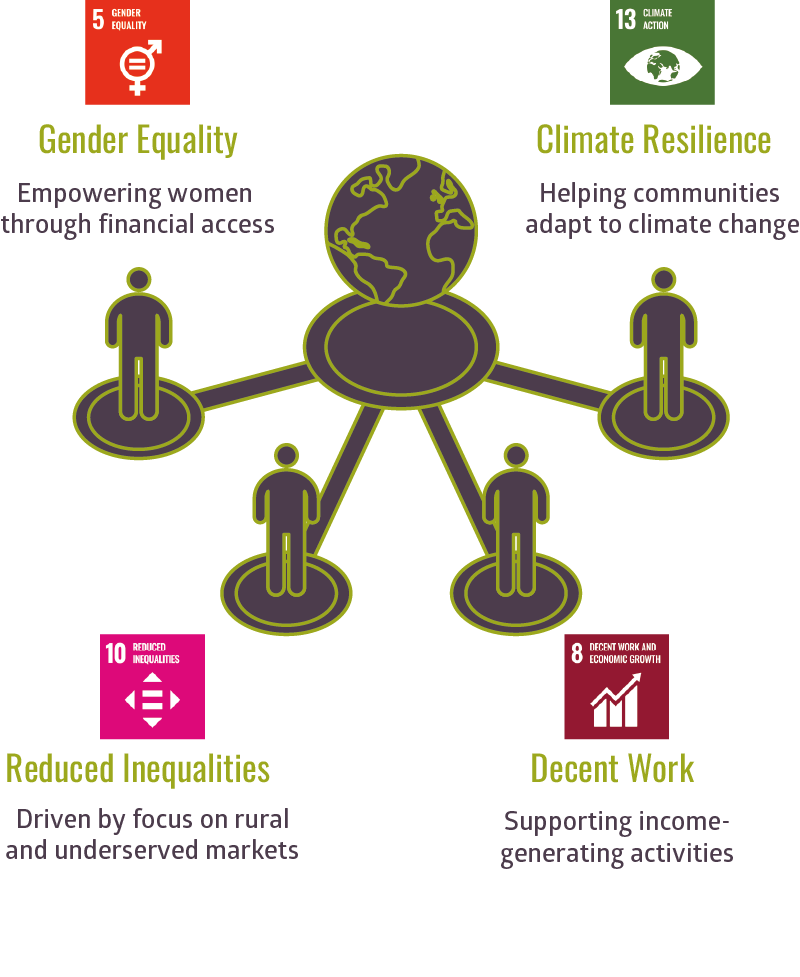
SDG 1 is not a standalone ambition. It is part of a wider development approach that includes gender equality (SDG 5), reduction of inequalities (SDG 10), decent work (SDG 8), and climate resilience (SDG 13). Our financial inclusion strategy contributes to each of these through the institutions it supports and the populations they serve.
Across the portfolio, 59% of end borrowers are women, 53% are from rural areas, and the majority are accessing credit to support income-generating activities, alongside healthcare, education, and housing needs. These figures reflect the multi-dimensional reach of financial inclusion when it is implemented with discipline and intent.
What the SDG 1 analysis confirms is that the affordability foundation of the portfolio is strong. The vast majority of investees are lending at levels consistent with low-income outreach. Poverty is multidimensional and has no single solution. Financial inclusion does not claim to be one. What it offers is a proven, scalable, and measurable contribution to economic resilience for some of the world’s most underserved populations. Within a broader impact strategy, that contribution is both meaningful and necessary.
Financial Inclusion's Broader Impact
Strengthening Investment Discipline: THE ROLE OF IPM IN 2025
In 2025, EQ’s Investment Product Management (IPM) function continued to strengthen its role as the second line of defense within the investment process. Building on lessons learned from workout cases and accumulated portfolio experience, IPM advanced a program of targeted enhancements to its procedures and tools, with a clear focus on sharpening decision-making, embedding ESG considerations more deeply, and improving risk management discipline across all funds.
These initiatives led to tangible improvements in data quality, earlier identification of emerging risks, and stronger governance standards. Collectively, they reflect EQ’s commitment to a more structured, disciplined, and forward-looking approach to capital management.
IPM in Practice
Tools and procedures updated
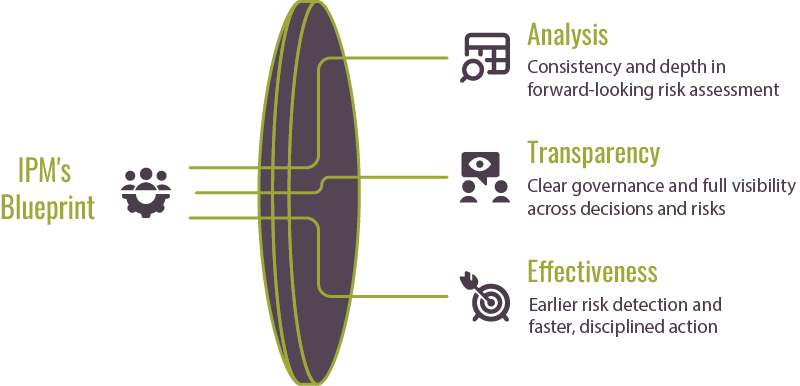
A central focus of the year’s work was the continued refinement of the investment framework. IPM introduced updated investment procedures that establish standardized workflows across all funds, ensuring consistency, comparability, and alignment with governance requirements. Existing procedures were enhanced to be more structured, conservative, and clearly defined, with sharper articulation of roles, thresholds, and escalation processes. Together, these changes have reinforced accountability and transparency in our investment decisions.
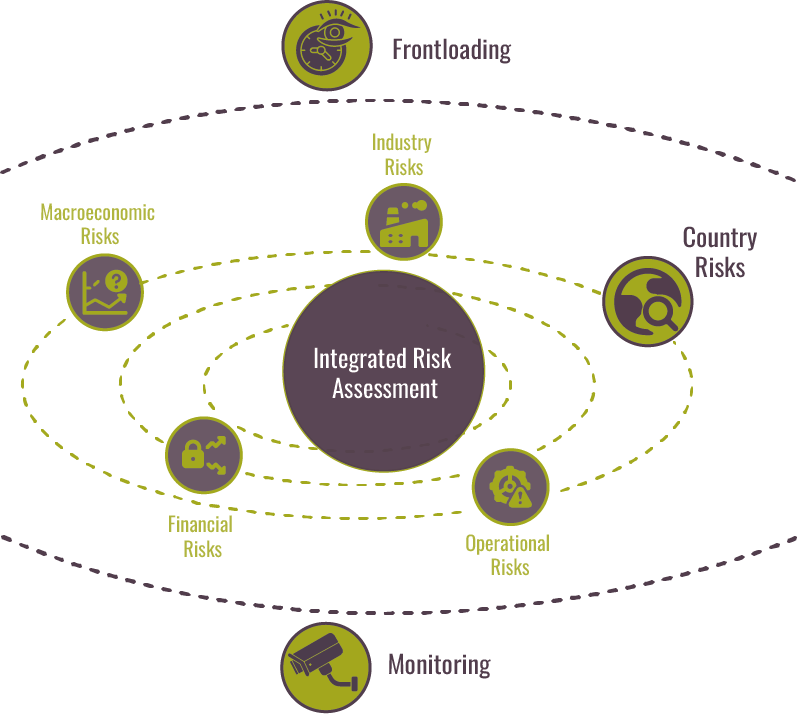
Risk assessment and oversight continue to span macroeconomic, country, and industry-specific factors alongside investee-level financial and operational risks. In 2025, these methodologies were refined and more explicitly defined, ensuring greater consistency, depth, and frequency of application across the fund range. ESG integration also took a meaningful step forward: ESG factors are now formally embedded within the country risk assessment framework, where they sit alongside political, macroeconomic, and regulatory considerations to support a more comprehensive evaluation of country-level risks. Overall, three cross-cutting priorities shaped this year’s procedural enhancements:
- Frontloading the process: a core theme has been to bring greater analytical rigor earlier in the investment cycle. By collecting more information at the pre-screening stage, we have strengthened risk identification, structuring, and pricing from the outset. Responsibility has shifted further toward desktop due diligence, with onsite work refocused on verifying and clarifying observations. Pipeline meetings have been reshaped to allow more complete discussions, and clearer guidance has been issued on early warning signals, covenants, and monitoring red flags.
- Focus on monitoring: we also clarified the monitoring duties and responsibilities of Investment Officers, with a renewed emphasis on ongoing oversight through our financial and social ratings. The process to monitor problem loans was revived and redefined, and tracking of key risks has been sharpened, ensuring that emerging issues are flagged, escalated, and acted on without delay.
- Significance of country risk analysis: country risk was elevated as a discrete area of focus, with clearer guidance issued and country-level considerations now anticipated within pipeline meetings.
Sharpening the Process
Several key tools were upgraded in parallel to support robust, forward-looking analysis. The internal credit rating framework was refined to reflect accumulated experience and portfolio depth, allowing for more granular differentiation of risk and clearer tracking of rating movements over time. The set of Key Risk Indicators was expanded and strengthened, improving the ability to spot emerging risks and providing earlier warning signals through structured monthly monitoring. New Guidance Notes were introduced as focused reference documents that enable Investment Officers to dig deeper into critical items, while the Composite CIRR, a country rating assessment that allows multiple countries within a region to be evaluated in parallel, added a more efficient and comparative lens to country risk analysis. Enhancements to data integrity checks and analytical reporting further reinforced a data-led approach across investment products.
IPM also continued to provide ongoing support to transaction structuring, helping ensure that risk-mitigation mechanisms, product features, counterparty risk profiles, and contractual protections remain properly aligned. In parallel, IPM supported the launch of new investment products through the completion of the associated New Product Procedures, ensuring that each launch is grounded in a clearly defined risk and governance framework from day one.
Investment Process and IPM Risk Oversight
Continuous risk oversight across all stages of the investment lifecycle
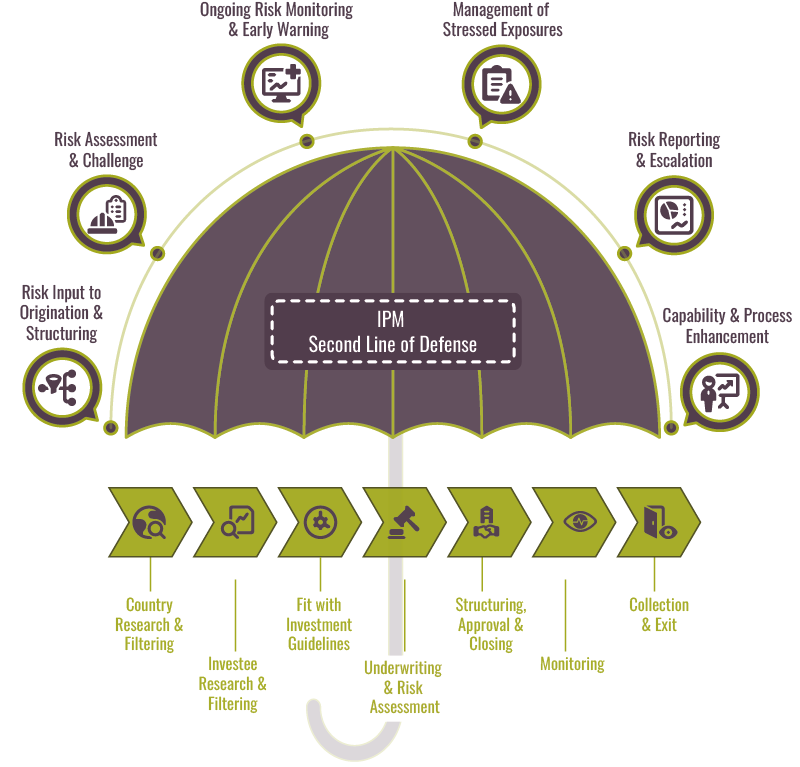
Looking ahead to 2026, IPM’s focus will remain on strengthening the early identification and communication of emerging risks to support timely strategy development. Key priorities include enhancing risk analysis through targeted investment officer training and updated guidance materials; deepening the assessment of core credit drivers such as refinancing risk, cash flow dynamics, and complex business models; developing fit-for-purpose risk management tools for newly launched funds; and improving rating consistency across the portfolio to ensure comparability and discipline in credit assessments.
In early 2026, the escalation of the conflict in the Middle East introduced a new layer of geopolitical risk relevant to parts of our portfolio. This evolving context has been explicitly integrated into our risk management approach and portfolio strategy. We have implemented a structured and forward-looking framework to assess the potential transmission channels of regional instability, including sovereign fiscal stress, foreign currency liquidity pressures, remittance disruptions, and potential deterioration in asset quality. The portfolio is being actively monitored and segmented based on exposure and proximity to affected regions, with enhanced oversight applied where warranted. In parallel, for new transactions in higher-risk markets, we are applying more conservative structuring parameters (including shorter tenors, more frequent amortization, and calibrated ticket sizes) to manage downside risk while preserving selective deployment capacity. This approach ensures that, even in a context of heightened uncertainty, we remain firmly aligned with our impact mandate, continuing to support companies serving underserved communities while maintaining the credit discipline required to protect portfolio performance and investor trust.
External IC members
A further pillar of EQ’s governance model is the participation of external, independent members in our Investment Committees (IC). These members bring deep sector expertise, geographic insight, and a neutral perspective to credit and ESG discussions, providing an additional layer of challenge to investment proposals and portfolio reviews. Their independence ensures that decisions are tested against diverse viewpoints before capital is committed, while their continuity across cycles strengthens institutional memory and supports consistent application of EQ’s investment standards.
In line with the EQ’s commitment to continuously reinforcing the independence and depth of its investment governance, an additional External IC Member was appointed during 2025. This expansion broadens the range of expertise available to the Committee, increases capacity for thorough deliberation on a growing pipeline of transactions, and further diversifies the perspectives brought to bear on credit, country, and ESG considerations.
The presence of external IC members also reinforces the credibility of our process for investors and stakeholders, signaling that decision-making is subject to scrutiny beyond the firm itself. Combined with IPM’s internal oversight and the enhanced tools and procedures introduced during the year, this external voice rounds out a governance architecture designed to deliver disciplined, well-informed, and sustainable investment outcomes.
Conclusion
Taken together, the initiatives advanced in 2025 mark a meaningful step forward in how EQ ensures its financial, sustainability and impact targets are consistently met. Stronger procedures, more refined tools, and a more deeply embedded ESG lens give EQ sharper visibility into the risks and opportunities across its portfolios, while the broadening of the IC adds a further layer of independent challenge to every investment decision.
These enhancements are not isolated improvements but part of a continuous journey: translating the lessons of past transactions into better systems, clearer accountability, and earlier risk detection. As EQ enters 2026, this foundation positions IPM to navigate an increasingly complex and evolving risk environment, including heightened geopolitical uncertainty, while maintaining a disciplined and forward-looking approach to capital deployment.
In this context, IPM’s role remains central in ensuring that emerging risks are identified early, assessed rigorously, and embedded into portfolio strategy and transaction structuring. This allows EQ to continue delivering measurable impact alongside resilient financial performance, ensuring that the firm’s commitments to its investors, partners, and the communities it serves remain firmly on track.
Embedding ESG Across the Portfolio: FROM INVESTMENT DISCIPLINE TO END BORROWER OUTCOMES
Why ESG matters to EQ
At EQ, ESG matters as a foundation for prudent decision-making, strengthening portfolio resilience, and upholding the principles of responsible finance across the investment lifecycle.

ELISABETTA BERTOTTI
Associate Vice President, EQ
EQ applies a rigorous ESG framework to the selection of potential investees. This framework ensures that high-risk proposals are identified and declined at the earliest stages of the investment process, preventing them from advancing to the IC. The framework includes Governance and Integrity Checks, Exclusionary Criteria, Social Responsibility, Client Protection, Transparency and Disclosure. These early-stage ESG filters reinforce disciplined decision-making and protect portfolio integrity by preventing the escalation of material non-financial risks. This approach demonstrates EQ’s commitment to responsible investing, safeguarding both reputation and long-term portfolio resilience.
How ESG is applied at entry
EQ integrates ESG considerations at the core of its investment process. All prospective FIs investments are subject to a structured ESG assessment that evaluates governance quality, social performance and environmental risk management practices.
As part of this Assessment Governance and Integrity Checks, comprehensive KYC (Know your Customer) assessments are conducted on shareholding structures, board composition, and senior management. Any red flags, such as opaque ownership, politically exposed persons, or corruption allegations trigger deeper investigation, with unresolved issues resulting in immediate rejection. Exclusionary Criteria are applied to activities and sectors deemed incompatible with sustainable development, in line with EQ’s exclusion list aligned with the IFC Exclusion List.
Evidence of poor Social Responsibility and Client Protection practices, evaluated based on public scrutiny related to predatory lending, exploitative behavior, or harmful social practices and human rights abuses, results in an immediate halt of the due diligence process. In addition, material Transparency and Disclosure failures, such as non-compliance with audited financial reporting or ESG disclosure requirements, as well as greenwashing concerns arising from inconsistent sustainability claims and actual practices are considered material risks and result in rejection.
Institutions whose ESG performance falls below this minimum eligibility threshold are screened out and do not proceed to IC review. This approach ensures that investments are allocated only to institutions that meet baseline standards for responsible finance and institutional integrity. ESG is thus applied not merely as a monitoring tool, but as a binding investment filter that shapes portfolio composition from the outset.
How ESG is managed over time
Where ESG risks are identified but assessed as remediable, EQ pursues enhanced due diligence processes and defines clear engagement conditions prior to investment consideration. ESG performance continues to inform investment decisions throughout the life of the exposure: even after an initial loan has been disbursed, subsequent financing is reassessed and follow-on investments may be withheld or declined if an investee’s ESG performance deteriorates or falls below acceptable thresholds.
CAROLINA ORDÓÑEZ
Associate Vice President, EQ
At EQ, ESG performance is a binding condition for continued capital deployment. While ESG assessments inform initial investment decisions, subsequent financing is contingent on the investee maintaining and, where relevant, strengthening its ESG profile over time. In particular, where identified governance weaknesses are expected to be addressed through agreed improvement measures, progress against these expectations is closely monitored. If improvements are not achieved within the anticipated timeframe, or if material deterioration is observed, including in areas such as client protection practices, EQ may decide not to provide follow-on financing, irrespective of financial performance. This approach ensures that capital allocation remains aligned with minimum standards for responsible finance and institutional integrity throughout the investment lifecycle.

Portfolio breakdown
Microfinance has evolved across regions from a shock-prone credit model into a more resilient, digital, and ESG-anchored segment of inclusive finance. As regional portfolios have rebalanced, reflecting stronger growth in EECCA and Africa alongside a stable presence in Latin America, the sector’s future impact is increasingly defined not by loan volumes, but by service quality, clients’ financial and climate outcomes, and strong governance and risk management at the financial institution (FI) level.
At the same time, EQ maintains exposure in nine different Least Developed Countries, reinforcing its role in directing capital to structurally underserved and higher risk markets, while supporting more inclusive and well-governed financial systems.
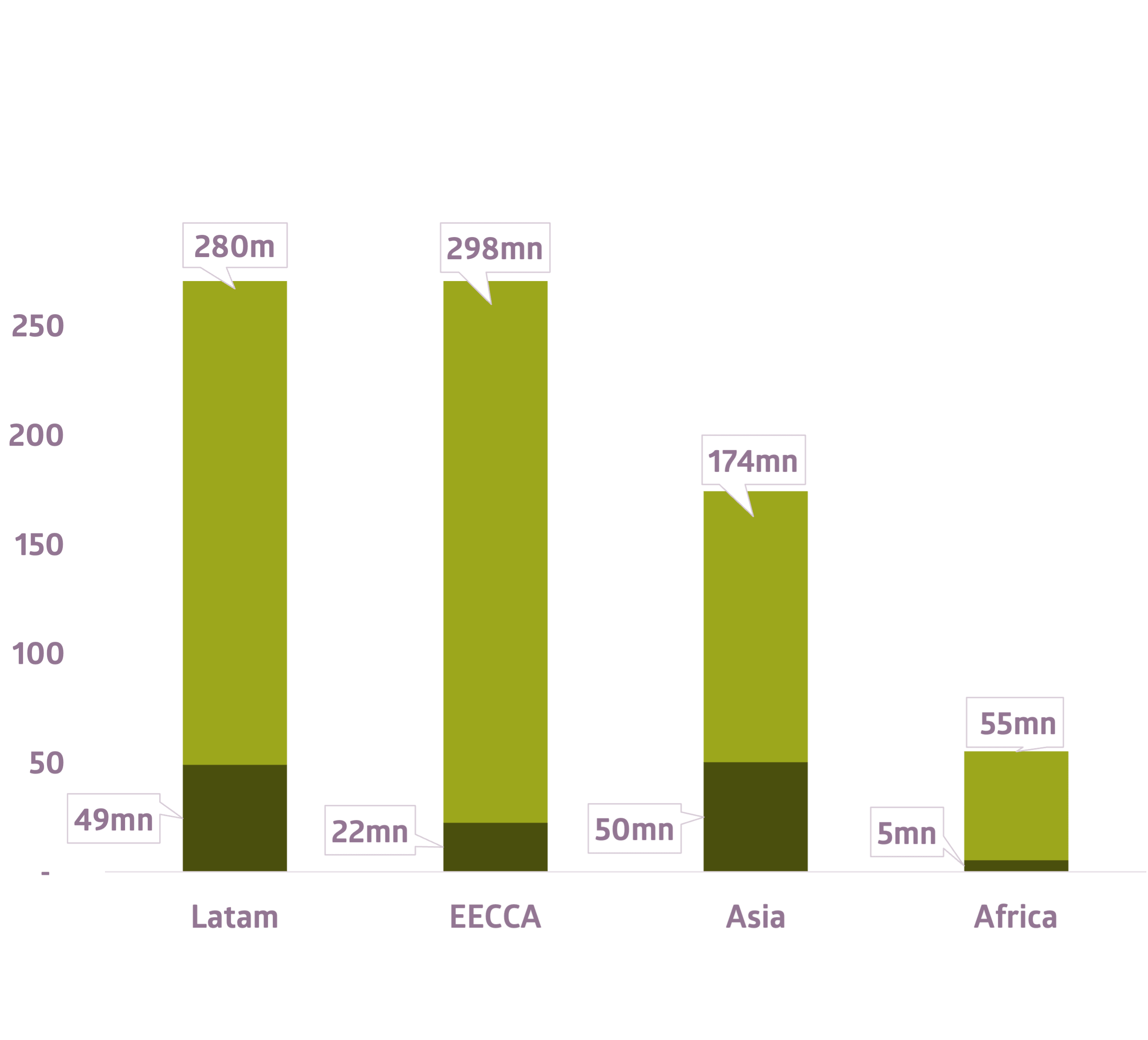
ESG assessment portfolio breakdown
Overall ESG performance across the portfolio is concentrated in the medium range, with higher-performing investees representing a meaningful secondary share and limited exposure to low ESG performance.
Two investees in the portfolio currently exhibit lower ESG performance and remain invested due to their outreach considerations. These investees are included in the pilot program and are engaged to support the progressive improvement of their ESG profiles.
At the aggregated level, around two-thirds of investees fall into the Medium ESG performance category, while roughly one third are assessed as High ESG performance, and only a marginal share is classified as Low ESG performance. This distribution reflects a broadly stable ESG baseline, with portfolio management efforts focused on continuous improvement among medium performers and targeted engagement where needed.
Portfolio ESG Performance Distribution
- High ESG Performance33%
- Medium ESG Performance65%
- Low ESG Performance2%
Regionally and by tier, the ESG profile shows differentiated patterns. Africa and EECCA exhibit a higher concentration of Tier 2 and Tier 3 investees, with ESG performance predominantly in the medium range and a growing share of high performers. Asia displays a stronger Tier 1 presence and no material low ESG exposure, though most investees remain classified as medium performers. In Latam, the portfolio is largely Tier 1 weighted, with a balanced split between medium and high ESG performance. Across regions, the data highlights sustained ESG integration while underscoring opportunities to support progression from medium to higher ESG performance through engagement and monitoring.
Improving the ESG profile of investees
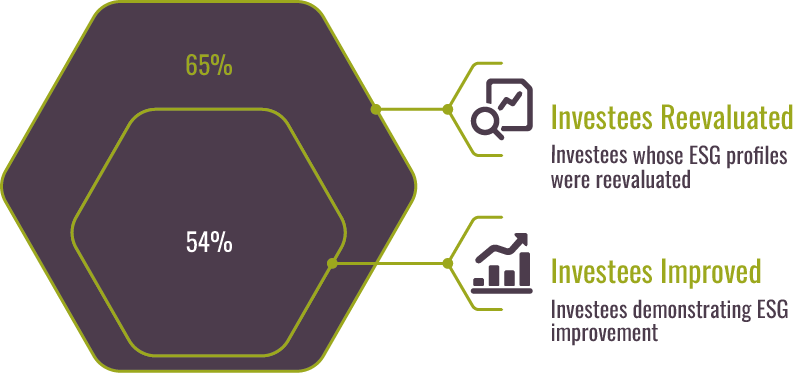
ESG profiles of 65% of the investees were reevaluated and 54% of them demonstrated improvement, reflecting portfolio developments in the absence of targeted ESG interventions. Building on this foundation, EQ has introduced a pilot engagement initiative aimed at supporting continuous improvement of ESG among investees exhibiting lower ESG performance. Where ESG gaps are assessed as remediable, structured engagement may be initiated, with clearly defined engagement targets and, where appropriate, follow-up actions. This approach positions ESG not only as an entry requirement, but also as a structured framework for strengthening practices and risk management over time.
ESG Profile Improvement in Investees
Implications for end borrowers
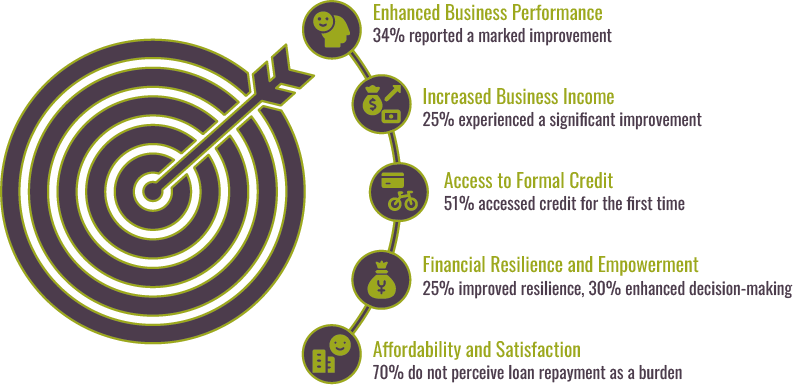
End borrower outcomes are assessed based on survey data collected by 60 Decibels between 2023 and 2025. These results indicate tangible improvements associated with the services offered by financed institutions. More than half of surveyed clients (51%) accessed formal credit for the first time, while improvements were reported across income generation and household well-being, with 25% of respondents experiencing a significant increase in business income and 34% reporting a marked improvement in quality of life. Client affordability and satisfaction are reflected in the high share of respondents (70%) who do not perceive loan repayment as a burden. In addition, gains were observed in financial resilience and empowerment, with 25% of clients reporting significantly improved resilience and 30% indicating enhanced financial decision-making10. Taken together, these outcomes suggest that the strengthening of ESG and client-centric practices at investee level translates into measurable benefits for end borrowers over time.
How ESG and Client-Centric Practices Drive Outcomes for End Borrowers
Client Stories: IMPACT IN PRACTICE
Spotlight on Kyrgyzstan | Aigul Dotalieva | Bailyk Finance
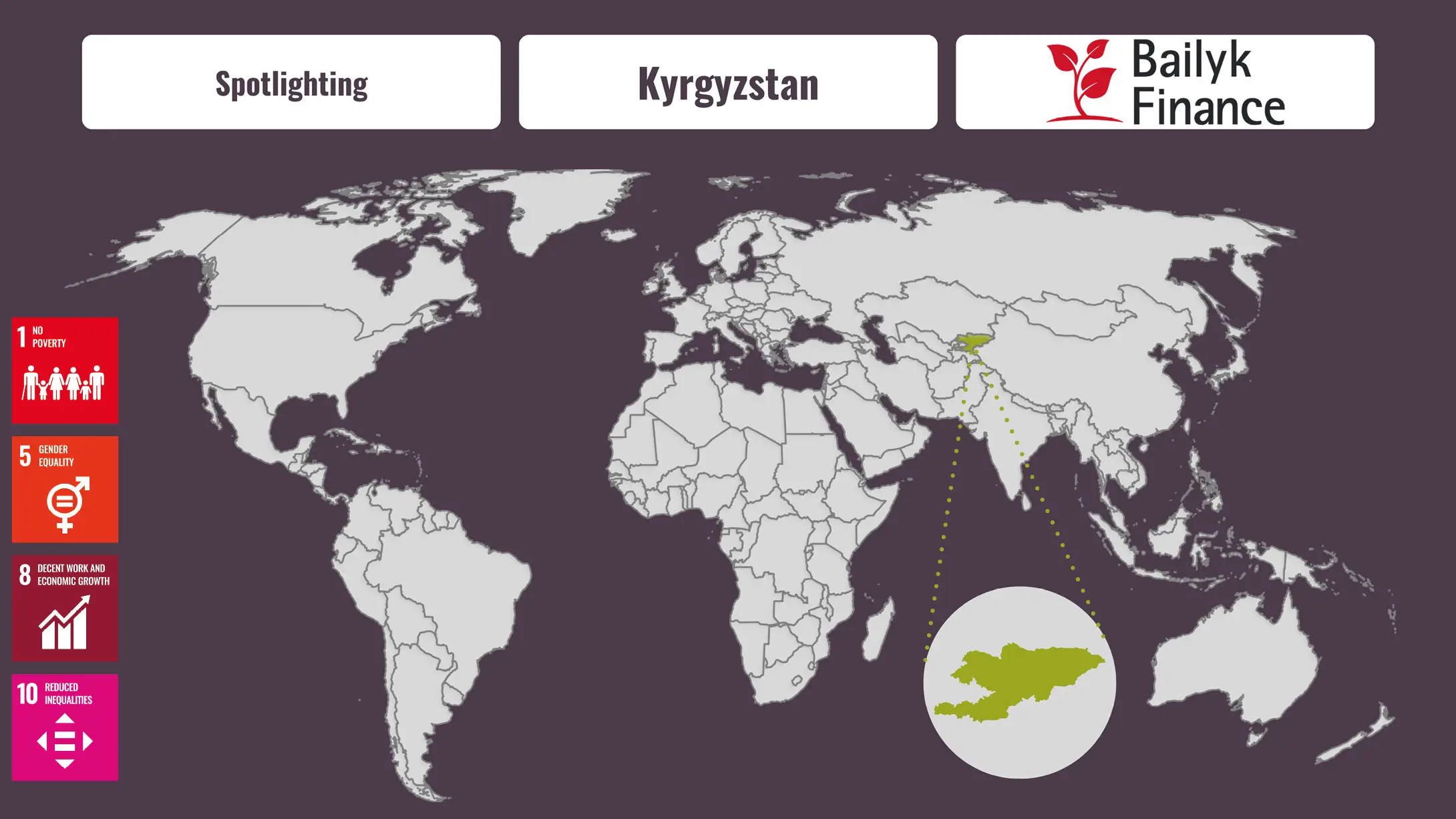
Country snapshot
- Country: Kyrgyz Republic
- Population: 7,221,868
- Urban population: 35%
- GNI per capita: USD 2,190
- Currency: Kyrgyz Som (KGS)
Source: World Bank, World Development Indicators 2024 (WDI)
FI spotlight
- Name: Bailyk Finance
- Established: 2011
- Branches: 55
- Number of borrowers: 64,189
- % of Rural Borrowers: 77.6%
- % of Women Borrowers: 58.6%
- Gross Loan Portfolio: 86 million
- Average Loan size: USD 962
60 Decibels end borrower survey highlights
- Client advocacy: Net Promoter Score (NPS) 57 – Excellent
- Quality of life: 31% report major improvements
- Financial management: 19% report improved ability to manage finances
Aigul Dotalieva has been working in beauty salons for more than 35 years. She knows her craft well (hair, nails, makeu) but for most of her career, she worked for other people. It wasn’t until her personal circumstances changed that she made the leap to start something of her own.
“I lost my husband and had two children to take care of,” she says. “I needed a steady income. And I knew I had the skills. I just needed to try.”
Two years ago, Aigul opened her own salon in a shopping center in downtown Bishkek, Kyrgyzstan. She rented a small space, hired two employees, and got started with what she had. It was her first time running a business, but she hasn’t looked back.

A small loan helped her get up and running
When she opened, the salon was mostly empty. “We had mirrors, but not much else,” she recalls. That changed when she walked across the street to a branch of Bailyk Finance. She had some experience with loans in the past, but this was her first time applying for one to support her business.
Her first loan, KGS 201,000 (approximately USD 2,300) for 12 months, helped her buy a water heater, salon chairs, and worktables. Once fully repaid, she took a second loan of KGS 100,000 (approximately USD 1,100) over 9 months to set up a small manicure corner, adding a new service her clients were asking for.
“The staff of Bailyk Finance were kind, and they explained everything clearly,” she says. “It wasn’t stressful. The loan helped me take the next step.”
With her first two loans repaid, Aigul most recently took out a third loan of KGS 240,500 (approximately USD 2,750) in April 2025. She planned to use it to prepare for the next phase of growth for her salon.
Interviewed on the job
We met Aigul during working hours, clients were coming and going, and there was a steady hum of activity. Appointments are often booked in advance, and she now has a base of regulars who keep coming back.
“It’s not fancy, but we’re always working,” she says, smiling from behind the hairdressing chair, her favorite spot in the salon. “I like cutting and styling hair best. It’s where I feel happiest.”
Looking ahead
Now that the salon is stable, Aigul is thinking about what’s next. She has already found a larger space nearby and hopes to move by the end of 2025. She wants to expand her team and offer more services, including eyelash extensions.


Why this story matters
Aigul is one of many small business owners in Kyrgyzstan who’ve used a bit of financial support to build something of their own. With the help of Bailyk Finance, she was able to turn years of experience into a business that supports herself, her staff, and her family. It’s a reminder that sometimes the biggest shift is not the funding itself, but the belief that it’s possible to begin.
Supporting women-led businesses
Through our partnership with Bailyk Finance, we help extend financing to women like Aigul, those with skills, drive, and ideas, but limited access to capital. These small loans can mean the difference between staying stuck and taking the first step.
Spotlight on South Africa | Pricilia Rammekwa | SEF
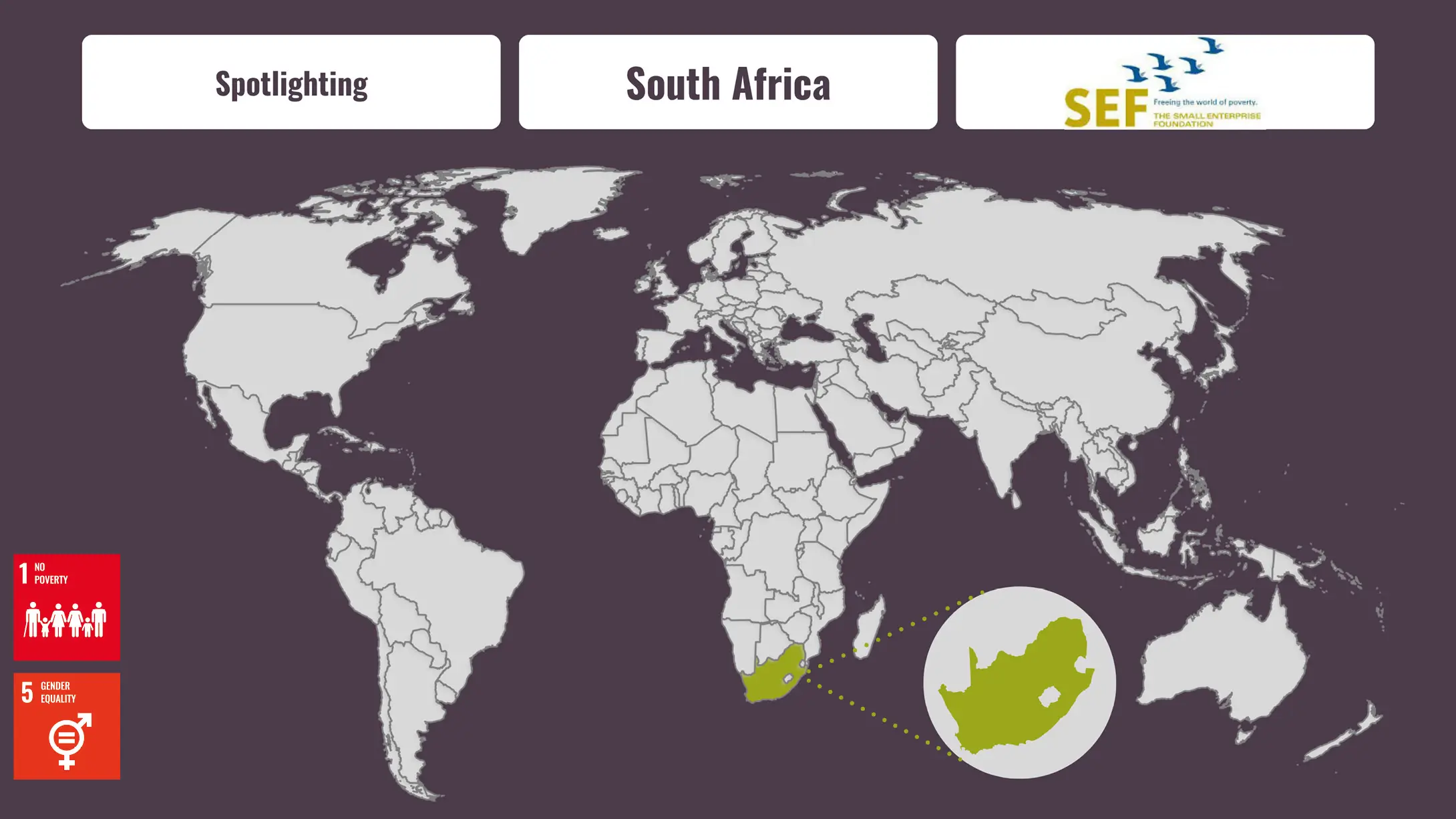
Country snapshot
- Country: South Africa
- Population: 64,007,187
- Urban population: 64%
- GNI per capita: USD 6,110
- Currency: South African Rand (ZAR)
Source: World Bank, World Development Indicators 2024 (WDI)
FI spotlight
- Name: Small Enterprise Foundation (SEF)
- Established: 1992
- Branches: 90
- Number of borrowers: 183,954
- % of Rural Borrowers: 100%
- % of Women Borrowers: 99%
- Gross Loan Portfolio: 26.3 million
- Average Loan size: USD 155
60 Decibels end borrower survey highlights
- First-time access: 93% accessed the product/service for the first time
- Quality of life: 73% report major improvements
- Financial management: 70% report improved ability to manage finances
Portfolio performance in inclusive finance is closely linked to how well financial services support clients’ everyday financial needs. The story below offers a snapshot of how one borrower of the Small Enterprise Foundation (SEF) has used microfinance to strengthen her household’s stability.
South Africa: high potential, deep inequality
South Africa has one of the continent’s strongest economies, yet it consistently ranks among the highest in the world on the Gini coefficient, a key measure of income inequality (SDG 10). Many households (especially in rural and peri-urban areas) deal with unstable income, poor employment prospects, and limited access to reliable financial services. Women carry much of this pressure, often managing household needs without the financial tools to plan or invest with confidence.
The Small Enterprise Foundation: practical support for overlooked households
The Small Enterprise Foundation (SEF) was established in 1992 to close this gap. From the start, SEF has focused on women who are excluded from traditional banking, addressing both poverty (SDG 1) and gender inequality (SDG 5). Its group-based lending model is built on trust, peer accountability, and clear communication, an approach that works well in communities where formal support systems are limited and financial stress is high.
Ms. Pricilia Rammekwa: building stability and not just business
Ms. Pricilia Rammekwa from Thlabane Township is one of the women using SEF loans to stabilize her household. Her first loan of R1,500 (about USD 87) allowed her to repair two rental rooms. She has since expanded to four units and now qualifies for loans of up to R35,000 (about USD 2,000). The rental income gives her family more breathing room and helps cover unexpected costs.
Even though she now qualifies for an individual loan, she chooses to stay in SEF’s group model. The regular meetings, mutual support, and accountability matter to her. This support has strengthened her confidence, improved her planning, and helped her maintain consistent repayments.


Impact at scale
Ms. Rammekwa’s experience reflects SEF’s broader approach: providing practical tools that help households manage uncertainty and build assets gradually. As of October 2025, the organization manages a loan portfolio of around R520 million (USD 27.6 million) and serves roughly 117,500 clients across several provinces. Most are women who use SEF’s microloans to support household resilience and small business activities, reflecting SEF’s mission to empower women and reduce poverty at the community level.
Why this matters
Ms. Rammekwa’s experience shows how reliable, human-centred financial services help families plan, cope with shocks, and build stability over time. SEF’s model shows that when clients understand their loans and have access to trusted support, the impact extends beyond income to household security, dignity, and long-term stability, helping to narrow the gap in one of the world’s most unequal societies.
Spotlight on Sri Lanka | Chanaka Jayasinghe | Alliance Finance Company PLC
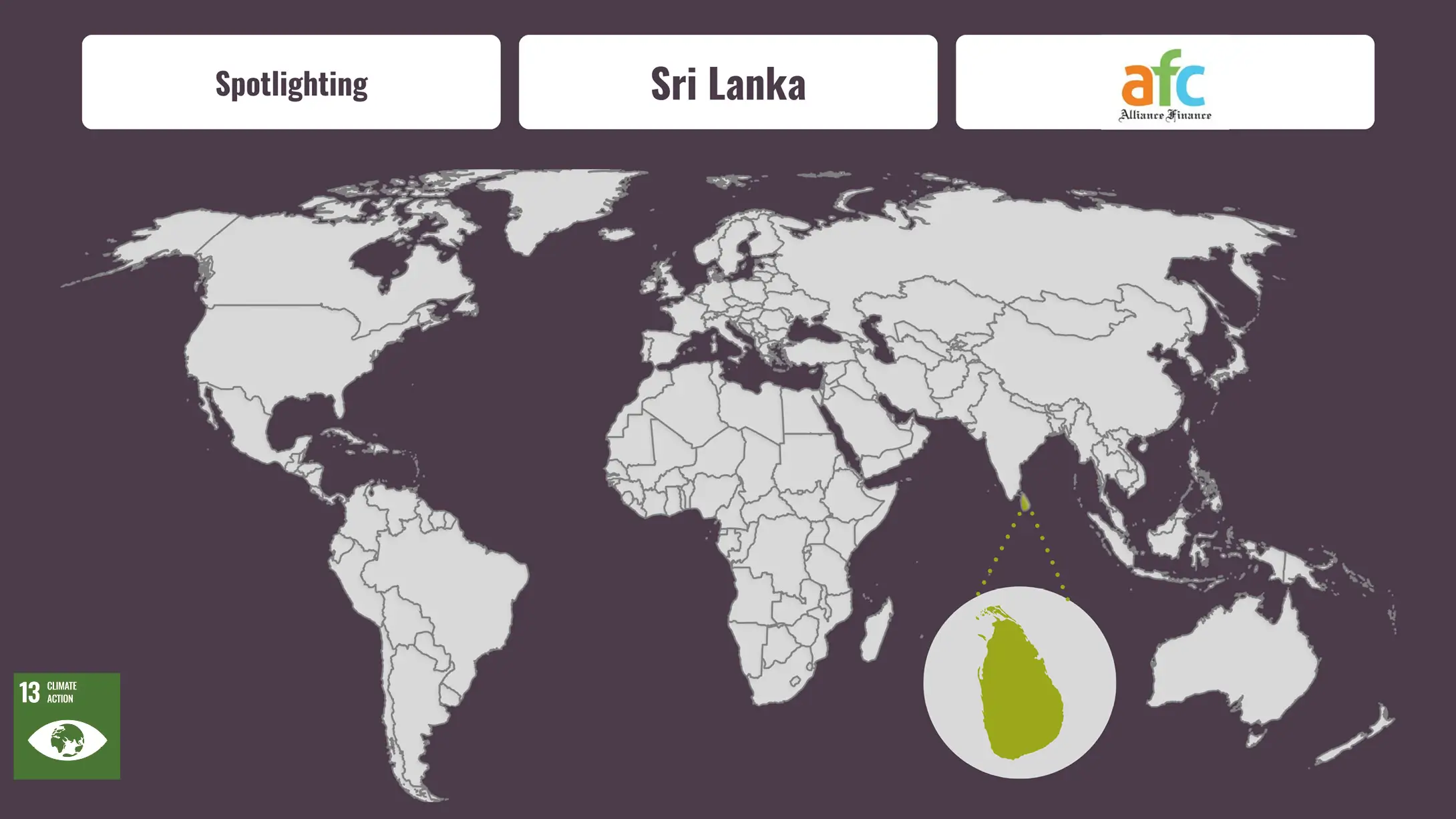
Country snapshot
- Country: Sri Lanka
- Population: 21,916,000
- Urban population: 20%
- GNI per capita: USD 3,860
- Currency: Sri Lanka Rupee (LKR)
Source: World Bank, World Development Indicators 2024 (WDI)
FI spotlight
- Name: Alliance Finance Company PLC
- Established: 1956
- Branches: 91
- Number of borrowers: 115,067
- % of Rural Borrowers: 71.3%
- % of Women Borrowers: 31%
- Gross Loan Portfolio: 252 million
- Average Loan size: USD 1,521
60 Decibels end borrower survey highlights
- Client advocacy: Net Promoter Score (NPS) 53 – Good
- First-time access: 62% accessed the product/service for the first time
Resilient harvests: how smart agriculture transformed a Sri Lankan tea plantation
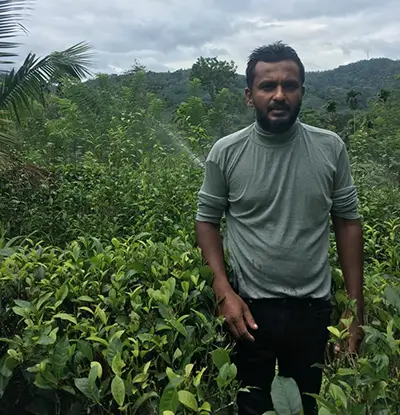
In the hills of Kegalle, Sri Lanka, a tea plantation tells a story of resilience, innovation, and sustainable finance. Mr. Chanaka Jayasinghe, a local farmer, faced dwindling harvests due to climate change. His journey from struggle to success demonstrates how smart agricultural practices and targeted investments can transform lives and contribute to global sustainability goals.
The challenge: climate change threatens tea production
Sri Lanka, ranked as one of the world’s most vulnerable countries to climate change, has seen its agricultural sector hit hard by unpredictable weather patterns. For Mr. Chanaka Jayasinghe, this meant watching his once-thriving 4-acre tea plantation suffer under frequent droughts. Where he once harvested 1,500 kg of tea leaves under normal rainfall conditions, drought periods saw his yield drastically decrease.

The solution: investing in sustainable irrigation
Recognizing the need for change, Mr. Jayasinghe turned to Alliance Finance Company PLC, a leader in sustainable financing in Sri Lanka. Alliance Finance, with its mission “To Make the World A Better Place through Sustainable Financing”, has been at the forefront of supporting sustainable agriculture in the country. Their triple bottom line approach has earned them the globally recognized Sustainability Standard and Certification Initiative (SSCI) certification.
Mr. Jayasinghe, already a loyal customer of Alliance Finance, had previously obtained three loans totaling USD 9,600 for acquiring agricultural land, purchasing a truck for transportation, and buying a car. In January 2023, he took out a fresh local currency loan valued at USD 1,600 to invest in a sprinkler irrigation system. The total cost of the system, including required motors, came to USD 1,900.
The impact: boosting yields and building resilience
The results were transformative. The sprinkler irrigation system ensured uniform water distribution to the tea bushes, promoting their growth and development. Rainwater harvesting further bolstered Mr. Jayasinghe’s capacity to utilize water during dry spells, making his plantation more climate-proof.
When a period of drought tested the new irrigation system, the impact was clear. While tea harvests in non-irrigated areas of the Kegalle region plummeted by 30%, Mr. Jayasinghe’s plantation stood tall with consistent production. He now harvests approximately 2,000 kg of tea leaves every month, even in adverse conditions.
The bigger picture: sustainable finance and global goals
Mr. Jayasinghe’s success story is more than just a personal triumph; it’s a testament to the power of sustainable finance in addressing global challenges. This story aligns with several UN Sustainable Development Goals, including Climate Action (SDG 13), Zero Hunger (SDG 2), Clean Water and Sanitation (SDG 6), Decent Work and Economic Growth (SDG 8), and Responsible Consumption and Production (SDG 12).
At EQ, we leverage impact investment to address global challenges like hunger and food insecurity. By aligning our investments with the Sustainable Development Goals, we support projects that enhance food security, improve nutrition, and promote sustainable agriculture, fostering a more inclusive and resilient global economy.
Smart agriculture and sustainable finance are powerful tools in our fight against climate change and food insecurity. As Mr. Jayasinghe’s story shows, with the right support and technology, farmers can not only survive but thrive in the face of environmental challenges. This is the future of farming – resilient, adaptive, and sustainable.
Spotlight on El Salvador | Optima
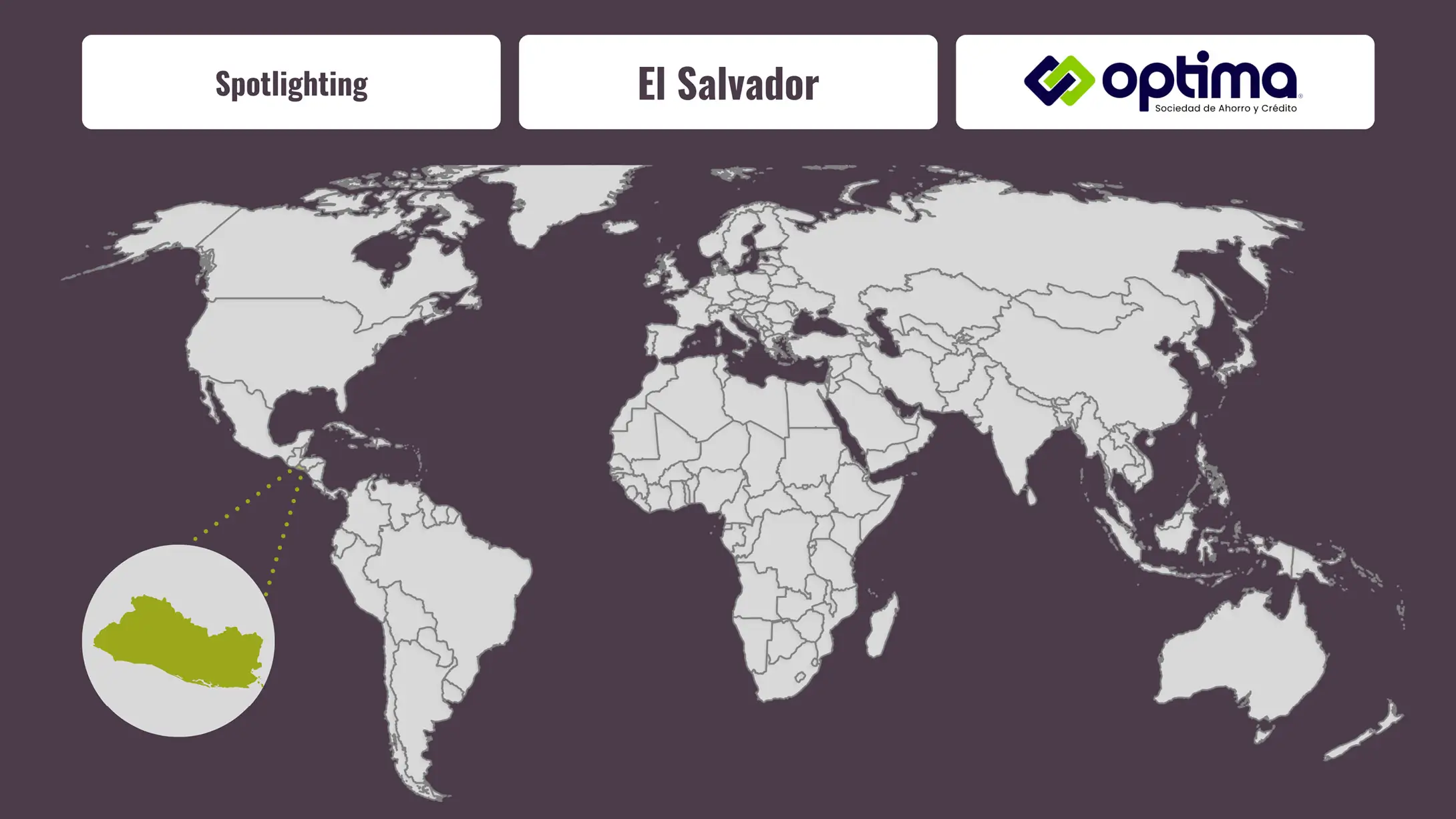
Country snapshot
- Country: El Salvador
- Population: 6,300,000
- Urban population: 76%
- GNI per capita: USD 5,120
- Currency: United States Dollar (USD)
Source: World Bank, World Development Indicators 2024 (WDI)
FI spotlight
- Name: OPTIMA Sociedad de Ahorro y Crédito
- Established: 2009
- Branches: 16
- Number of borrowers: 13,913
- % of Rural Borrowers: 29.8%
- % of Women Borrowers: 31%
- Gross Loan Portfolio: 97 million
- Average Loan size: USD 6,483
Fatima Shamsi
Head of Sustainability, EQ
Optima’s growth shows that scale and responsibility can go hand in hand.
MARCELO VENTURA
Business Development Manager, Optima
Optima has established itself as a key financial institution in its market, with a strong focus on expanding access to finance for underserved communities and micro and small enterprises. Over the years, the institution has evolved from a traditional lending provider into a more structured and impact-oriented organization.
As Optima continues to scale its operations, it is increasingly embedding ESG principles into its strategy and day-to-day practices, while adapting to changing regulatory expectations and market demands. To better understand this journey, the EQ team interviewed Marcelo Ventura, Business Development Manager at Optima, about their transformation, current priorities, and future ambitions.

Through a continuous effort to strengthen our business model, we have successfully navigated key milestones, including strategic acquisitions, our transition to a regulated savings and credit institution (2024), and the positioning of our brand in a highly competitive market.
These developments have driven the enhancement of our strategic, operational, and governance frameworks.
With a clear vision of consolidation, we have established robust control functions that support operational sustainability, client protection, and regulatory compliance. As a result, we have evolved into an institution characterized by solid growth, a strengthened market reputation, and an upward trajectory, well positioned to take on new challenges and further reinforce our role as a leading provider for micro and small informal enterprises in the country.

Key drivers of this evolution include the strengthening of our Board of Directors with experienced professionals from the regional financial services sector, the consolidation of a high-performing and execution-oriented management team, and the regulatory transition process, which has accelerated the adoption of a robust corporate governance framework aligned with industry standards.
Together, these elements support a stable operating platform with a clear and sustainable growth trajectory. Most importantly, the company’s DNA is firmly rooted in “growth with quality,” ensuring that business performance remains closely aligned with delivering tangible and lasting value to our clients.

Over the years, Optima has prioritized the expansion of its service network to better reach its target market, opening five new branches in the past four years. This growth has enabled entry into new markets and supported sustained business expansion. In parallel, the company has strengthened its product and service offering while continuously refining its operational processes and credit risk management practices.
The introduction of new product lines, including assistance services and deposit products, has allowed Optima to serve clients more holistically, addressing not only their financing needs but also supporting broader objectives such as asset accumulation and overall well-being.

Guided by our principle of “growth with quality” and the institutional values embedded across the organization, Optima has focused on three core objectives: portfolio growth, improved portfolio quality, and client acquisition. This approach is anchored in responsible lending practices, including the avoidance of over-indebtedness, the promotion of mutually beneficial client relationships, adherence to strong ethical standards, and full transparency in client interactions.
In parallel, Optima has made significant progress in integrating social and environmental performance management into its operations. This includes the continuous refinement of its approach and the systematic measurement of client experience to ensure satisfaction. Over time, these efforts culminated in the achievement of its first social and environmental performance certification, with a three-star rating and stable outlook.
The institution has further strengthened its ESG framework through the implementation of an Environmental and Social Risk Management System (ESMS) to assess the environmental impact of financed projects, as well as the introduction of a climate-risk bureau for the agricultural sector. Together, these initiatives reflect Optima’s steady progress in enhancing its value proposition and delivering increasingly impactful client experiences from both a social and environmental perspective.

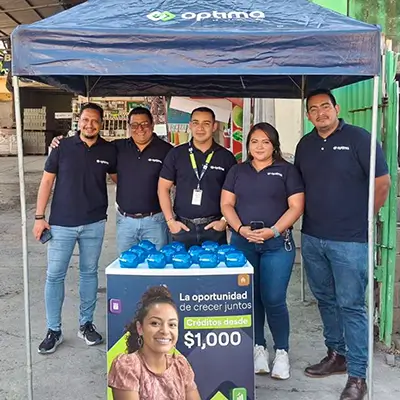
Our priorities focus on expanding our client base while enhancing the customer experience through the digitalization of service processes, greater use of data, and the automation of operations using advanced technologies such as RPA and artificial intelligence.
In parallel, we aim to further strengthen our positive impact across our portfolio by supporting clients’ asset growth, promoting decent job creation, advancing financial inclusion, and actively contributing to the reduction of over-indebtedness.

Advancing Gender Inclusion: THE GENDER STRATEGY TOOLKIT
Advancing gender inclusion through data and structured engagement
Advancing gender inclusion across financial portfolios requires a combination of structured tools, consistent data collection, and evidence-based insights. During the reporting period, EQ continued to strengthen its approach through the rollout of a Gender Strategy Toolkit, complemented by insights from the ongoing SIPA study and implementation within EQ. Together enhancing the understanding of gender outcomes at both the institutional and end client level.
Operationalizing gender inclusion through a structured toolkit
The Gender Strategy Toolkit has been developed as a practical framework to guide investees in integrating gender considerations into their operations and strategy. It supports financial institutions in moving from general commitments toward more systematic, measurable gender practices.
Gender Inclusion Toolkit Dimensions
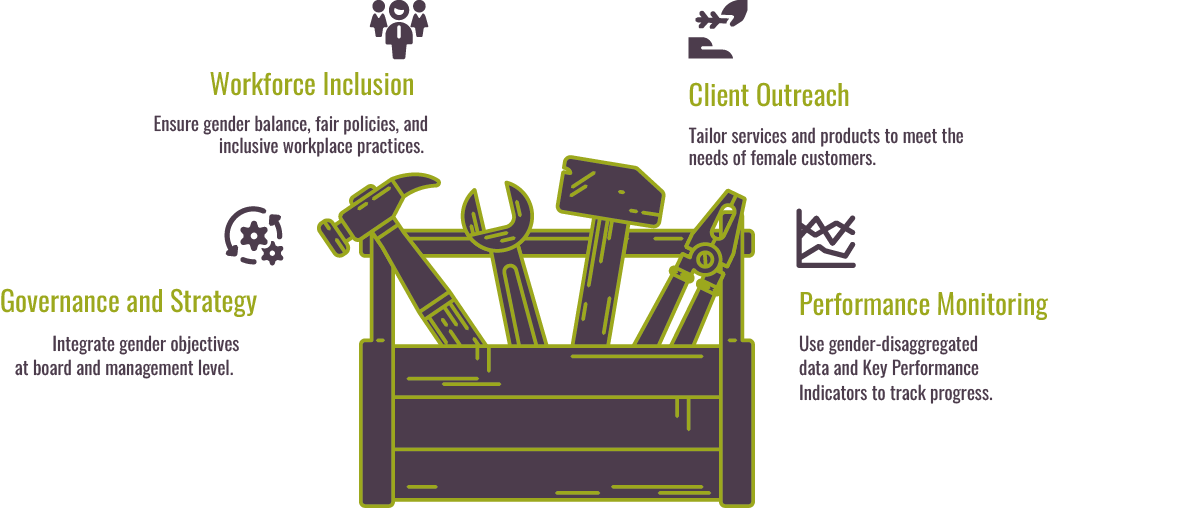
Rather than prescribing uniform standards, the toolkit enables a context-sensitive assessment of current practices, allowing investees to identify areas for gradual enhancement.
Piloting the toolkit for effective implementation
The Gender Strategy Toolkit is currently being piloted with selected investees across different regions to assess its practical application in varied operating contexts. This pilot phase enables EQ to evaluate the usability of the framework, refine key indicators, and ensure alignment with institutional realities.
Feedback gathered during implementation will be used to strengthen guidance, clarify expectations, and enhance overall usability. This iterative approach supports scalability and facilitates broader rollout across the portfolio.

JOYCE MTANOUS
Head of People & Culture, VisionFund International
As part of our ongoing commitment to strengthening Gender Balance at VisionFund International, recent staff survey results highlighted a gap in experience within the Global Centre, with women reporting less favorable outcomes compared to men.
This insight prompted us to deepen our understanding through focused group discussions and to partner with EQ to pilot the Gender Toolkit. The toolkit provided a structured and data-driven lens to assess our current maturity, positioning us as a Gender-Responsive Implementer, and helped us connect qualitative feedback with quantitative trends across representation of women in senior leadership roles, hiring, promotion, and pay equity over multiple years.
This combined analysis led to an important realization: while we have foundational policies and good intent, there are inconsistencies in how gender balance is experienced and embedded across the organization. The toolkit’s practical guidance linking metrics to recommended actions and expected impact enabled us to move from insight to action. As a result, we established a Gender Steering Committee and prioritized key areas including women in leadership progression, reducing unconscious bias, strengthening pay equity analysis, and enhancing support for caregiving and flexible work.
Looking ahead, we are committed to deepening this work, using the toolkit as a continuous guide to track progress and embed gender balance more systematically into our people and business practices. We see this as an ongoing journey, and we are encouraged by the opportunity to translate these insights into meaningful, sustainable change across the organization.


Insights from the SIPA study: understanding institutional and end client outcomes
To complement the toolkit development further, EQ continues to collaborate with Columbia University’s School of International and Public Affairs (SIPA). In 2026, SIPA students conducted field visits to two financial institutions to pilot the Gender Strategy Toolkit and support development of a MEL Framework.
Key areas assessed include:
- Institutional gender practices
- Access to financial services for women
- Integration of gender within ESG framework
- Policy existence, implication and effectiveness

Development of MEL framework
A MEL approach underpins the toolkit, ensuring that gender-related actions are:
- Tracked through defined indicators
- Measured consistently across institutions
- Linked to observable outputs and outcomes where feasible
This enables a shift from qualitative narratives to more structured, evidence-based tracking of progress, while recognizing differing levels of maturity across portfolio companies.
Looking ahead: strengthening gender integration
Looking ahead, EQ will further strengthen the Gender Strategy Toolkit through the Gender Community of Practice, designed to facilitate knowledge sharing, peer learning, and dissemination of best practices across investees.
This initiative will be complemented by targeted technical assistance (TA) for selected investees, enabling more tailored support based on institutional contexts and capacity. The combination of a community-based approach and customized TA is expected to accelerate the adoption of gender-responsive practices.
Insights and lessons generated through implementation will feed directly into the continued refinement of the toolkit, supporting the development of a robust and field-tested framework, grounded in practical application. Over time, the refined toolkit is intended to enable broader adoption beyond EQ’s portfolio and support replication across regions and market contexts.
Clean COOKING

From Development Challenge to INVESTABLE OPPORTUNITY
Financing the cooking energy transition
Access to clean cooking remains one of the most underfunded and overlooked challenges at the intersection of climate, health, and development.
Clean Cooking: a critical, under-recognized issue

PETER GEORGE
Fund Principal, Spark+ Africa Fund
Spark+ Africa Fund, a thematic impact fund raised in partnership with leading industry stakeholders, reflects EQ’s conviction that, with properly structured capital, the clean cooking sector can evolve into a scalable and investable asset class — capable of delivering both meaningful impact and attractive risk-adjusted returns.
EQ’s investments, through the USD 65 million Spark+ Africa Fund launched in 2022 in partnership with Stichting Modern Cooking (SMC), a Dutch Foundation backed by the Clean Cooking Alliance, span the full clean cooking ecosystem. Rather than focusing on a single technology or fuel, our portfolio includes fuel distributors (such as Liquefied Petroleum (LPG) and bioethanol), cookstove manufacturers and distributors, and financial intermediaries that enable end-user affordability. This ecosystem approach reflects a core reality: access is constrained not only by technology, but by a combination of affordability, infrastructure, and last-mile distribution.
Clean Cooking Value Chain
Targeting key bottlenecks through ecosystem-wide investment
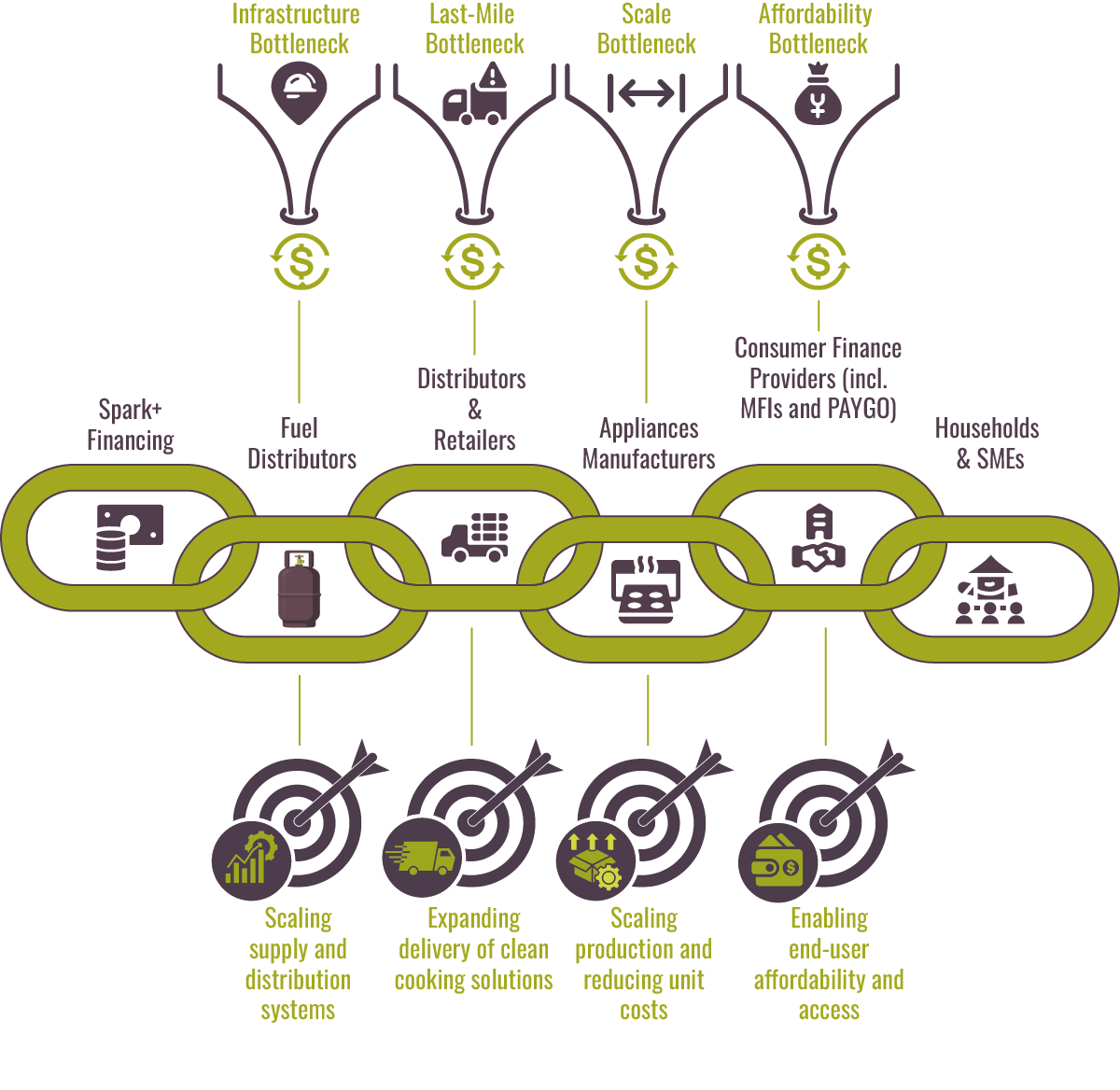
Geographically, the portfolio is concentrated in Sub-Saharan Africa, with a focus on markets such as Ghana, DRC, Côte d’Ivoire, Kenya, Zambia, and Nigeria. These countries combine strong population growth, continued reliance on traditional fuels, and increasing regulatory and commercial momentum toward cleaner alternatives – creating the conditions for scalable investment platforms.
Why clean cooking matters
The importance of clean cooking is often underestimated, yet its impact is both immediate and systemic.
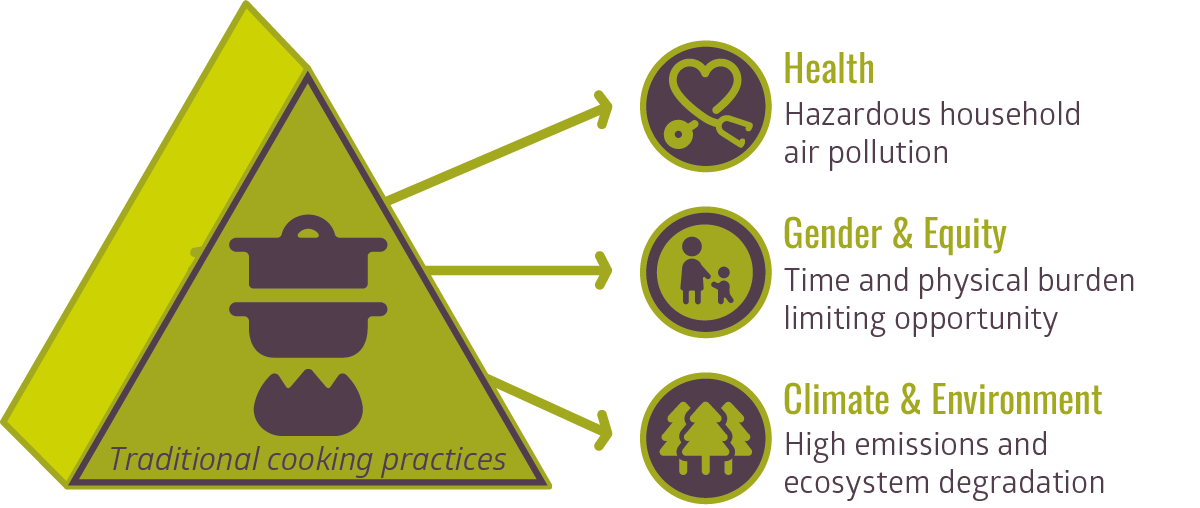
Around 2.1 billion people (roughly a quarter of the global population) still cook using polluting fuels and technologies such as wood and charcoal, typically burned in inefficient stoves or open fires. This leads to high levels of household air pollution (HAP), a major driver of respiratory and cardiovascular disease. The World Health Organization estimates that HAP contributes to ~2.9 million premature deaths each year.
The burden falls disproportionately on women and children, who spend the most time near cooking areas. Transitioning to clean fuels such as LPG, ethanol, or electricity can significantly reduce exposure to harmful emissions, delivering rapid and measurable improvements in health outcomes.

Beyond health, clean cooking is closely linked to gender and social equity. In many contexts, women bear primary responsibility for cooking and fuel collection, often spending several hours each day gathering fuel or managing inefficient cooking processes. This limits opportunities for education, employment, and entrepreneurship. Clean cooking solutions reduce both time and physical burden, enabling greater economic participation and improving overall quality of life.
The environmental and climate implications are equally significant. Unsustainable harvesting of biomass contributes to deforestation and land degradation, while inefficient combustion produces substantial greenhouse gas emissions, including black carbon – a short-lived climate pollutant with powerful warming effects. In aggregate, emissions from cooking in developing countries are estimated to be comparable to those of the global aviation sector. Clean cooking solutions reduce pressure on ecosystems and lower emissions, making them a critical component of global climate strategies. Carbon markets can further enhance project economics by monetizing these emission reductions, although their role requires careful structuring.
Technologies and fuels
The clean cooking sector is defined by a range of technologies and fuels, each suited to different market conditions.
LPG remains one of the most established and scalable solutions, particularly in urban and peri-urban areas where distribution infrastructure can be efficiently developed. Bioethanol is emerging as a promising alternative, offering a clean-burning, renewable fuel that can be distributed through increasingly sophisticated retail networks. Improved biomass stoves serve as an important transitional solution in lower-income or more remote settings, delivering efficiency gains even where full fuel switching is not yet viable.
Electric cooking, while viable today in certain markets, represents a longer-term opportunity at continental scale, closely linked to improvements in grid reliability and the expansion of renewable energy. Biogas and other decentralized solutions can be effective in specific rural contexts, although their scalability is more limited.
EQ’s approach through Spark+ is deliberately fuel-agnostic. Our focus is not on identifying a single dominant technology, but on backing solutions that can scale sustainably within their respective markets, combining affordability for end-users with robust unit economics.
Market developments and sector evolution
The clean cooking sector has shifted in recent years from a largely donor-driven space to one attracting increasing commercial interest. This transition has been supported by stronger alignment with global climate priorities, as well as the emergence of results-based financing mechanisms and carbon markets.
Innovative companies have played a central role in this evolution by leveraging technology-enabled distribution models that can scale access to clean fuels in dense urban environments by integrating logistics, digital payments, and carbon finance.
At the same time, recent challenges highlight the complexity of scaling in this sector. Infrastructure requirements are capital-intensive, consumer adoption remains highly price-sensitive, and carbon revenues (while often critical to affordability) are subject to regulatory and market volatility.
These dynamics reinforce the importance of disciplined execution, diversified business models, and conservative assumptions around both growth and pricing. For investors, the sector presents a compelling opportunity, but one that requires deep technical understanding and carefully structured capital.
EQ’s future in the clean cooking space
Looking ahead, our ambition is to help shape the next phase of the clean cooking sector by scaling capital flows and strengthening its foundations as an investable market.
Building on the experience of Spark+, EQ and SMC are working to mobilize larger pools of institutional capital through blended finance structures. By combining concessional, mezzanine, and senior capital, these structures aim to align risk and return in a way that attracts a broader range of investors while maintaining strong impact outcomes.
For a planned second vintage fund, we are targeting USD 100–150 million, reflecting both increased investor interest and an expanded pipeline relative to Fund I.
A key priority is to continue investing across the ecosystem, recognizing that no single segment can unlock the market in isolation. At the same time, we aim to demonstrate that clean cooking investments can increasingly stand on their own commercial merits. Carbon markets will remain an important component but will be approached selectively and with disciplined execution.
We also seek to expand our clean cooking financing activities from a geographic perspective. Beyond Africa, we see strong potential to replicate this approach in other high-need, developing regions in the Global South.
Our long-term vision is for Spark+ to evolve from a sequence of funds into a continuous investment platform, supporting the emergence of clean cooking as a standardized, scalable asset class. In doing so, EQ aims not only to expand access to clean cooking, but to help redefine how the sector is financed and scaled globally.
Embedding ESG in Clean Cooking: EQ’S PORTFOLIO APPROACH
Purpose and scope
For EQ, environmental and social risk (E&S) considerations are a core pillar of how clean cooking investments are originated, structured, and managed.
Clean cooking businesses often operate in complex environments, with exposure to supply chain risks, health and safety considerations, regulatory scrutiny, and rapid organizational growth. Strong E&S frameworks are therefore essential not only to manage downside risks, but to support long-term scalability and institutional readiness.
EQ’s E&S framework: structure and policy
EQ’s E&S approach to clean cooking investments is governed by a formal Environmental and Social Policy (E&S Policy) and operationalized through a robust Environmental and Social Management System (ESMS). The E&S Policy defines EQ’s binding commitments to internationally recognized standards, notably the IFC Performance Standards on Environmental and Social Sustainability and the ILO core labor conventions, and sets minimum requirements for all portfolio companies, regardless of size or stage. These include compliance with fundamental labor rights, safe and healthy working conditions, responsible supply chain practices, and systematic management of environmental impacts.
The ESMS translates the E&S Policy into a clear, risk-based methodology embedded across the full investment lifecycle, from screening and due diligence through to monitoring and exit, while remaining adaptable to the operational realities of emerging markets. All potential investments undergo E&S screening against an exclusion list and a dedicated screening tool to identify key sector, country, and business model risks. Based on this assessment, investments are categorized by E&S risk level, which determines the scope and depth of Environmental and Social Due Diligence (ESDD).
Environmental and Social Investment Lifecycle
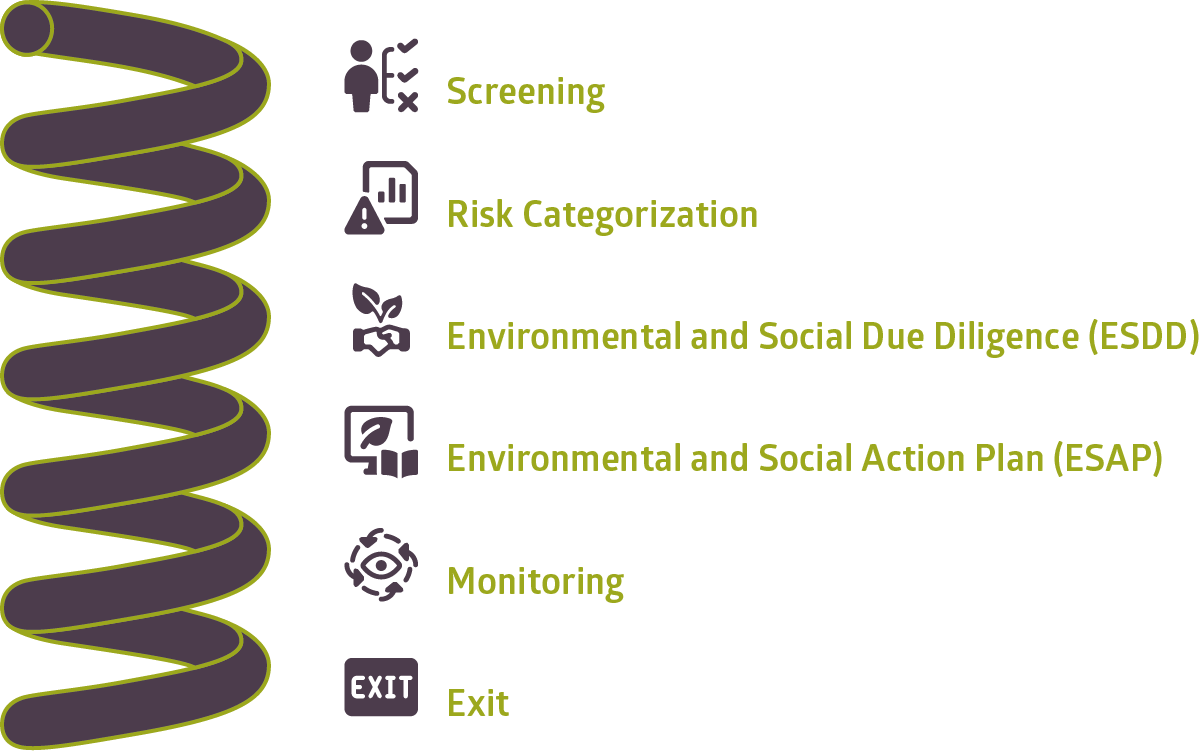
Encouraging best practices through mutually agreed E&S action plans (ESAPs)
Effective governance is central to translating E&S policy into practice. EQ views governance not only as board oversight and compliance, but as the mechanism through which environmental and social risks and opportunities are actively managed.
The primary operational tool used to implement E&S improvements at the investee level is the Environmental and Social Action Plan (ESAP). ESAPs are bespoke, time-bound roadmaps that translate due diligence findings into concrete actions, responsibilities, and deliverables. They are embedded into the investment documentation and monitored regularly alongside financial performance.
Typical ESAPs agreed with clean cooking portfolio companies address areas such as:
- Establishing or strengthening environmental and social management systems
- Formalizing labor practices, including contracts, wages, and grievance mechanisms
- Improving occupational health and safety procedures, particularly in manufacturing, logistics, and LPG handling
- Enhancing governance structures, policies, and compliance processes
- Strengthening supplier management and traceability across the value chain
Overall, the ESAP tracker demonstrates solid execution, with 61 of 95 actions (≈64%) completed, while 32 actions are being implemented/partially complete and only 2 remain un-addressed, reflecting a limited residual backlog and generally strong momentum across the portfolio. It should be noted that the ESAP covers the period from 2022 to December 2025, indicating that the remaining actions are being addressed within the expected implementation timeline.
Technical Assistance (TA) as an implementation catalyst
For effective implementation of the ESAPs, Technical Assistance (TA) plays a critical enabling role, particularly among fast-growing clean cooking companies operating with limited internal resources. TA bridges the gap between defined E&S requirements and practical execution by translating policy commitments into operational capability.
With EQ’s support, Spark+ co-sponsor Stichting Modern Cooking (SMC) deploys TA selectively and in direct alignment with identified ESAP priorities. Support typically focuses on strengthening institutional systems and long-term capacity, including the development and implementation of E&S Management Systems, targeted training for management and operational staff, and the design of robust monitoring, reporting, and data collection processes. Where relevant, TA also supports portfolio companies in addressing more complex challenges such as supply chain risk management, occupational health and safety, and regulatory compliance.
By anchoring TA to clearly defined ESAP actions, EQ and SMC ensure that external support is targeted, measurable, and outcome-driven. TA does not replace management responsibility; rather, it accelerates implementation, reduces execution risk, and embeds E&S capabilities that remain within the organization beyond the TA period, thereby strengthening long-term resilience and impact performance.
Portfolio – progress and maturity
Across the clean cooking portfolio, companies are at varying stages of E&S maturity. This diversity reflects differences in business age, scale, and prior exposure to institutional capital. EQ’s role is not to impose uniformity, but to support a clear trajectory of improvement.
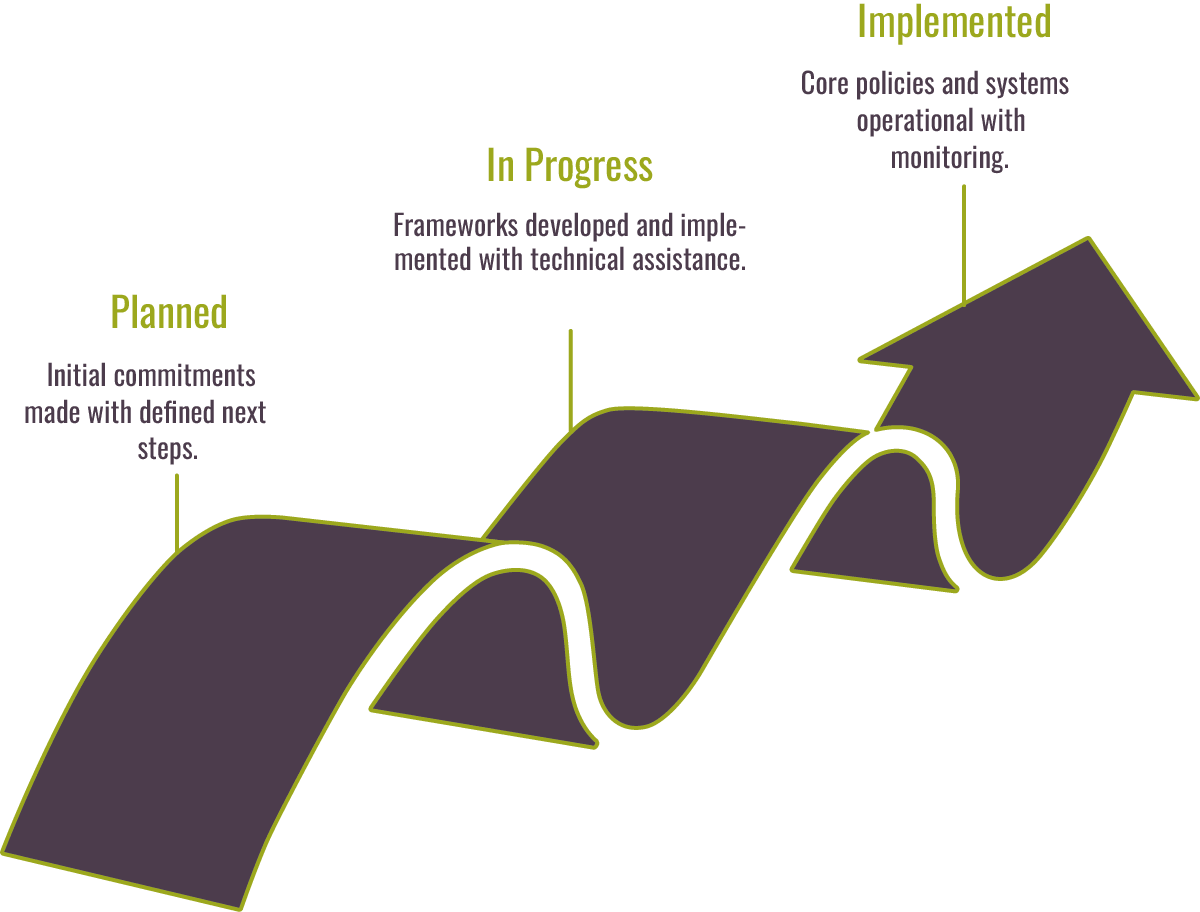
In practice, most portfolio companies fall into one of three broad progress categories:
- Implemented: core E&S policies, systems, and governance structures are in place and operational, with regular monitoring and reporting.
- In Progress: key frameworks are being developed or rolled out, often supported by targeted technical assistance or external expertise.
- Planned: initial commitments have been agreed, with clearly defined next steps and timelines.
Across the portfolio, typical indicators of progress include:
- Formalization of E&S responsibilities within organizations
- E&S screening for loan products
- Introduction of structured occupational health and safety training for staff
- Establishment of supplier codes of conduct and grievance mechanisms
Over time, these stepwise improvements contribute to reduced operational risk, improved regulatory alignment, and stronger organizational resilience across the portfolio.
Achieving E&S Maturity
Investee in Focus: Guilgal
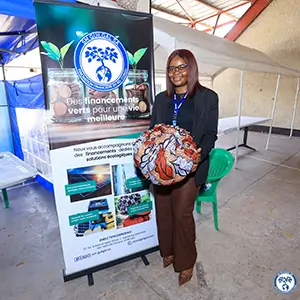
Best practice implementation within the portfolio is exemplified by Guilgal, a Microfinance Institution with a clean cooking portfolio that has expanded through support from Spark+.
Guilgal provides loans for the Wonderbag, a heat-retaining insulated bag that allows a pot to continue cooking after being taken off an open fire, in turn reducing fuel use, cooking costs, and time spent tending fires, with potential health benefits where reduced fuel use translates into lower smoke exposure.
Through technical assistance from the Spark+ TA Facility managed by Stichting Modern Cooking (SMC), Guilgal has adopted an ESMS framework with KPIs and dashboards. The institution has established mature environmental and social governance, including clearly assigned management responsibilities, comprehensive occupational health and safety systems, and structured supplier and grievance mechanisms. E&S performance is regularly monitored and reported, enabling continuous improvement and early risk identification. Guilgal demonstrates how robust E&S implementation can be integrated into core operations while supporting sustainable growth and scale-up.


From compliance to value creation: outlook
While E&S frameworks are often introduced as risk management tools, EQ increasingly views strong E&S performance as a driver of long-term value creation in the clean cooking sector. Robust governance and clearly defined operational standards improve decision-making, reduce execution risks, and support sustainable scale-up. Strengthened labor practices and occupational health and safety standards contribute to workforce stability and productivity, while systematic environmental management enhances operational efficiency as companies expand.
As the clean cooking sector matures and attracts larger volumes of institutional and commercial capital, E&S capability is becoming a prerequisite for investability rather than a differentiator. Investors, lenders, and strategic partners are placing growing emphasis on governance quality, operational resilience, and compliance discipline. In this context, E&S maturity enables portfolio companies to access broader funding sources, engage with more sophisticated counterparties, and navigate increasingly complex regulatory environments.
Looking ahead, EQ aims to further deepen E&S integration across its clean cooking portfolio by strengthening portfolio-level monitoring, encouraging peer learning among investees, and progressively raising expectations as companies mature. As sector standards continue to evolve, EQ’s objective is to ensure that its portfolio companies are not only compliant, but positioned to lead the transition toward more institutional, resilient, and scalable clean cooking business models. E&S, therefore, is not a constraint on growth, but a foundational element of long-term impact, resilience, and value creation.
Case Study: BURN Manufacturing – FROM LOCAL PRODUCTION TO PAN-AFRICAN IMPACT
In April 2022, Spark+ Africa provided a USD 6 million quasi-equity facility to BURN Manufacturing, making it the fund’s first investment and one of the first major quasi-equity transactions in Africa’s clean cooking sector.
This investment supported the expansion of the Company’s manufacturing capacity, helping unlock a broader wave of commercial and climate finance into BURN. It provides a clear example of how Spark+ is financing the transition to clean, modern energy for cooking across sub-Saharan Africa.
The situation before Spark+
BURN entered 2022 with strong demand but constrained production capacity, lacking access to adequate financing to support its development. It could not service rapidly rising orders in Nigeria, Tanzania, DRC, Ghana, and Malawi. Carbon projects were also expanding, but the Company needed long-term, flexible financing to move beyond Kenya and execute its growth strategy.
BURN had already proven that high-quality cookstove manufacturing could be done competitively in Kenya, but its production platform was reaching its limits. During Spark+ due diligence, installed manufacturing capacity was approximately 120,000 units per month, while projected 2022 demand was already expected to exceed that level. The existing Kenya factory was being expanded from 57,000 ft² to 72,000 ft², and BURN had just secured a further 68,000 ft² facility nearby.
The company required more than just additional space. BURN needed to expand the industrial backbone of its manufacturing system: material preparation through shearing and laser cutting, press capacity, tooling, paint lines, product-specific assembly lines, and the systems required to manage higher volumes across multiple products and markets. It was also aiming to invest in research and development capabilities to expand its product line and improve its core product design to offer it at a lower price point, maximizing affordability for its target customer base.
All these goals were difficult to finance through conventional lenders due to perceived risk, limited collateral, and the early-stage nature of the carbon market.
The Spark+ investment
We conducted a detailed assessment of BURN Manufacturing’s financing needs, including an in-depth analysis of its cash flow profile, development trajectory, operational requirements, and repayment capacity. This enabled us to structure a highly tailored quasi-equity instrument aligned with the company’s growth cycle and business model.
The financing solution was designed to match BURN’s expansion needs while preserving operational flexibility and ensuring sustainable repayment terms. In parallel, the strengthened capital structure also facilitated the mobilization of additional financing dedicated to working capital requirements.
In early 2022, Spark+ approved a two-tranche USD 6 million quasi-equity investment. The first tranche was disbursed in April; the second followed later that year. More specifically, the funding supported raw material procurement at scale and line expansion in Kenya, helping BURN to move to the significantly larger production platform it operates today, as demonstrated by the 275,000 units per month it achieved by Q1 2026.
BURN Growth and Expansion Timeline (2022–2026)
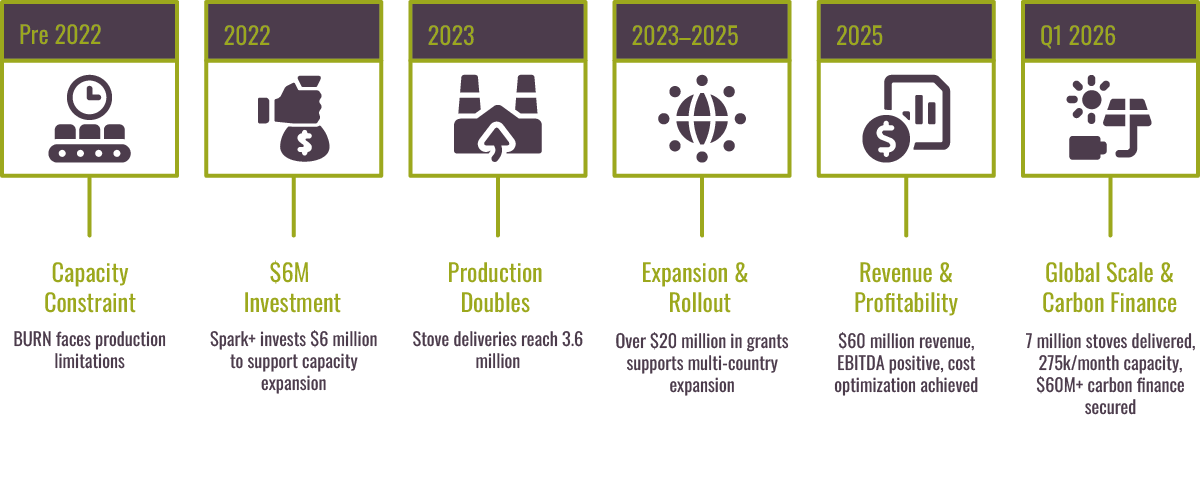
BURN added significant tooling and production capability, expanded press capacity, production lasers, and dedicated tool shop infrastructure. This made the company increasingly self-sufficient in building and maintaining the tools required for high-volume stove production. In BURN’s growth plans, enhanced production capacity went hand in hand with the launch of its kit strategy, its development of stronger internal systems for carbon project roll-out, the launch of new product lines, and the expansion of distribution teams across eight countries.
The Spark+ quasi-equity financing filled a critical gap and enabled BURN to unlock additional capital, provided by various financiers both on- and off-balance sheet. Since the time of its investment, Spark+ fund managers have also served as board observers, consulting with management in its strategic decision-making.
What happened next
BURN more than doubled production between 2022 and 2023. By late 2023, the Company had delivered more than 3.6 million stoves; by early 2026, it reached 7 million. Assembly operations launched in Malawi, Nigeria, Ghana, and Tanzania. Nigeria progressed from simple assembly toward full manufacturing, while Malawi reached meaningful production volumes within months of launch.
At the time of investment, BURN had strong carbon-linked demand but needed the production capacity, working capital, and operational systems to deliver against that demand. Carbon finance became a central driver of affordability, distribution, and valuation. BURN later closed large carbon project finance transactions, secured Letters of Authorization across multiple jurisdictions, and diversified across CORSIA-eligible, bilateral (Article 6.2), and high-integrity voluntary markets. Spark+ did not simply finance growth; it helped create the operating platform and institutional credibility that allowed carbon-linked capital to scale.
Between 2022 and 2025, BURN expanded beyond its core biomass products to build a portfolio spanning LPG, ethanol, electric induction stoves, cookware, pressure cookers, and institutional cooking solutions, scaling electric cooking across multiple markets and distribution channels. This diversification reduced exposure to fluctuations in biomass demand and voluntary carbon markets.
As the Company has matured, its strategy has become more deliberate. The profitability of the electric cooking business is expected to improve as product costs decline and premium carbon revenues become accessible in select markets. Biomass and institutional solutions continue to provide stable volume and anchor carbon-linked distribution models. LPG has also emerged as a key growth segment, supported by large-scale, fuel-backed distribution programs especially in Nigeria. Together, this multi-fuel approach allows BURN to respond dynamically to regulatory shifts, carbon pricing developments, and evolving consumer demand.
Spark+ funding also supported BURN’s transition to a lower-cost kit model – with components shipped from Kenya to Ghana, Nigeria, and the DRC for local assembly or transformation. This reduced landed costs by USD 6-8 per stove, enabling BURN to compete more effectively in new markets while sustaining carbon-linked distribution at scale. By 2025, the Company had centralized its Nairobi-based operations, improved manufacturing efficiency, while shifting elements of electric stove assembly offshore to further reduce cost and complexity.
Why Spark+ was catalytic
Spark+ was the first fund to deliver quasi-equity into a clean cooking company at this scale. That signal changed the perception of risk among commercial financiers and opened doors that may otherwise have remained closed.
Following the Spark+ financing, BURN attracted a broader pool of institutional and catalytic capital. It secured a major forward commitment from a large carbon credit buyer, onboarded an investor combining equity and carbon finance, and received more than USD 20 million in grant funding between 2023 and 2025.
Spark+’s investment also helped validate the company for other debt providers: subsequent financing discussions included green-bond and carbon project finance structures, as well as corporate and working capital debt, including a USD 15 million senior loan from the European Investment Bank. Operational partnerships followed, including significant supply agreements with D.Light, M-KOPA, and several carbon project developers. Spark+ played a decisive role in this shift by helping move BURN from a founder-led growth company into a platform capable of mobilizing institutional capital across equity, debt, grants, and carbon finance.
Catalyzing Scale: From Constraint to Investable Platform
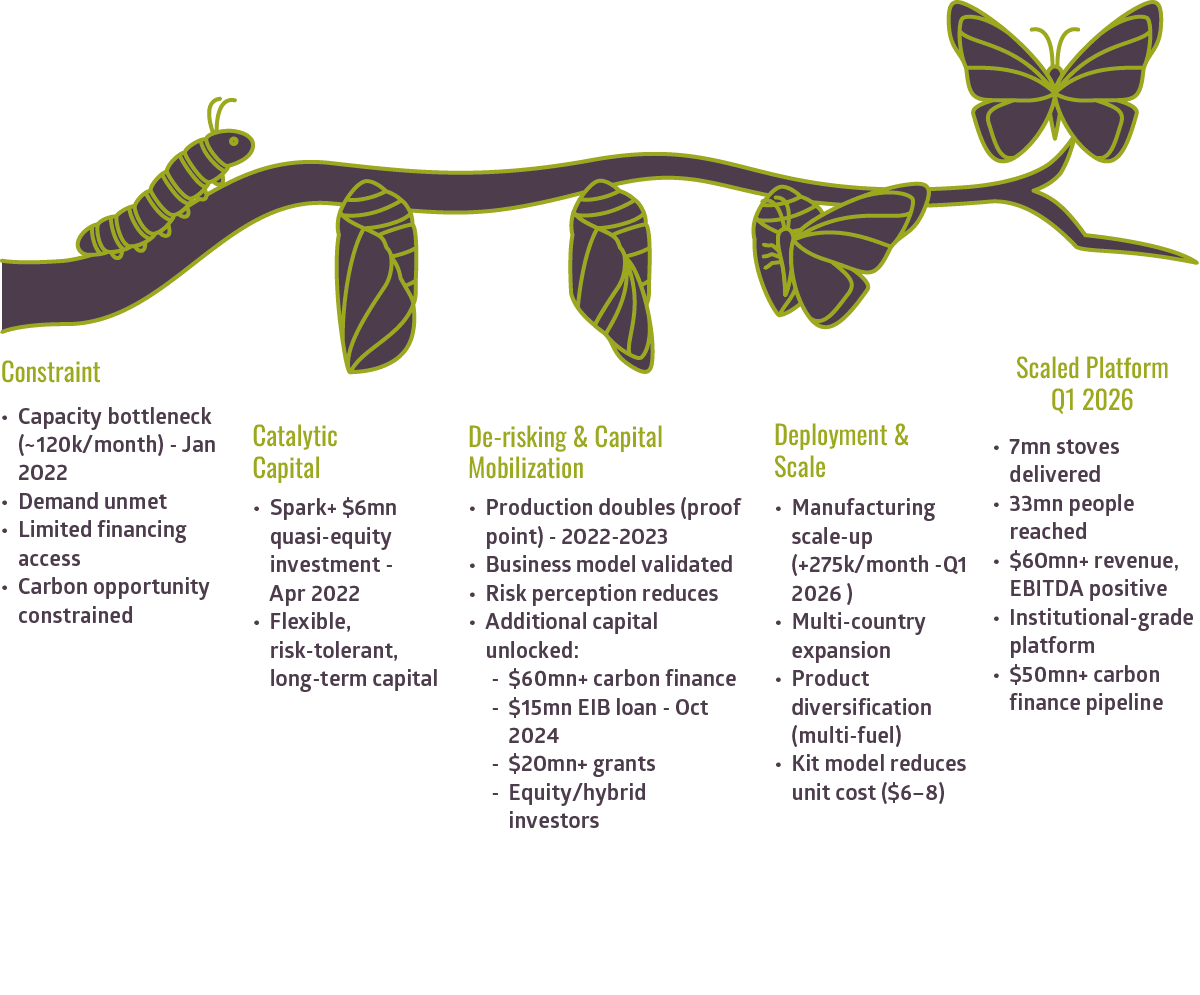
Spark+ accepted exposure that others avoided: early-stage carbon project risk, new assembly sites in fragile markets, volatile macroeconomic conditions in Nigeria, Malawi, and the DRC, rapid expansion of field operations teams, and the launch of nascent technologies such as electric induction stoves. This willingness to absorb controlled but meaningful risk enabled BURN to reach the next stage of development.
Spark+ did not simply catalyze one-off transactions – it helped establish BURN as a platform capable of systematically mobilizing large-scale commercial and climate finance. As of 2026, BURN has more than USD 60 million in expected carbon project financing commitments and is actively negotiating an additional USD 50 million transaction. Spark+, together with one of its anchor limited partners, African Development Bank, is planning to disburse USD 9 million in additional carbon project financing in Q2 2026.
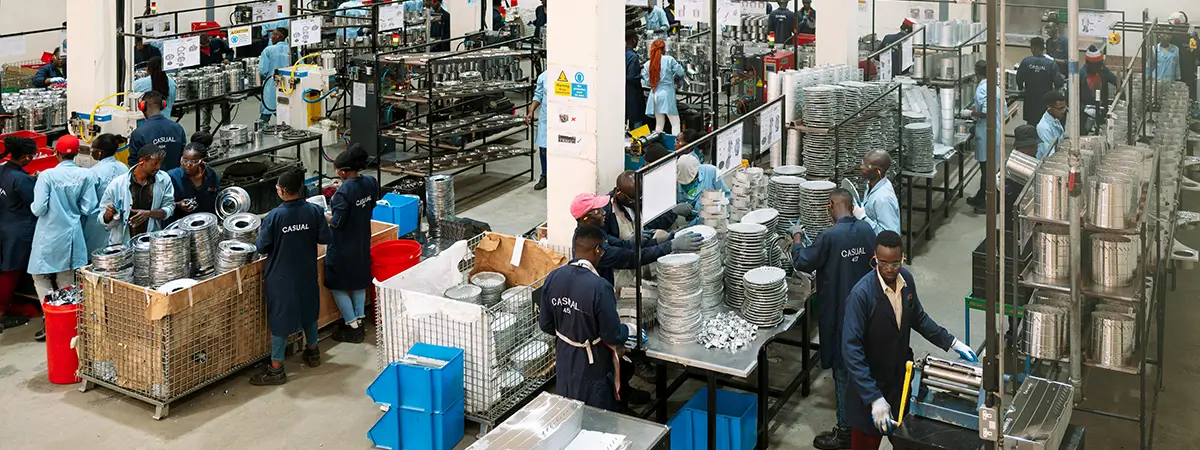
Position today
By early 2026, BURN has reached a new level of scale and maturity. The Company has distributed more than 7 million stoves across Africa (5.5 million since the Spark+ investment), reaching over 33 million people (28 million since investment). Its products have avoided approximately 68 million tons of CO₂ emissions (37 million tons since investment) and delivered an estimated USD 2.5 billion in household savings (USD 1.6 billion since investment). With a workforce of nearly 3,500 and a manufacturing and distribution footprint spanning multiple countries, BURN is the clear market leader in clean cooking.
Financially, the business has transitioned into sustained performance. In 2025, BURN generated more than USD 60 million in revenue, with strong gross margins and positive EBITDA, and projects continued growth into 2026. Carbon finance is now a central pillar of the model, supported by a diversified portfolio spanning compliance-aligned, bilateral, and high-integrity voluntary markets.
Crucially, the Company is no longer reliant on catalytic capital alone. It operates with a growing base of institutional investors and carbon counterparties, supported by a substantial pipeline of contracted and prospective financing. Combined with its multi-fuel strategy and expanding geographic footprint, BURN is a scalable, commercially viable platform capable of delivering both financial returns and impact at scale.

Sustainable BOND STRATEGY

A New Chapter: EXPANDING INTO LIQUID IMPACT FIXED INCOME
EQ’s sustainable bond strategy represents EQ’s strategic expansion into liquid, impact-oriented fixed income, extending the firm’s established investment approach from private markets into publicly traded debt instruments. Launched in 2025, the strategy is structured as an actively managed, diversified and liquid solution, providing exposure to global emerging and frontier markets within a robust UCITS framework.
The strategy is designed to address two core investment objectives in parallel: delivering stable, risk-adjusted income with limited downside risk, and allocating capital towards measurable environmental and social outcomes. This positioning reflects a structural shift in fixed income investing, where investors increasingly seek solutions that combine portfolio resilience with clearly defined sustainability contributions.
Sustainable Bond Strategy
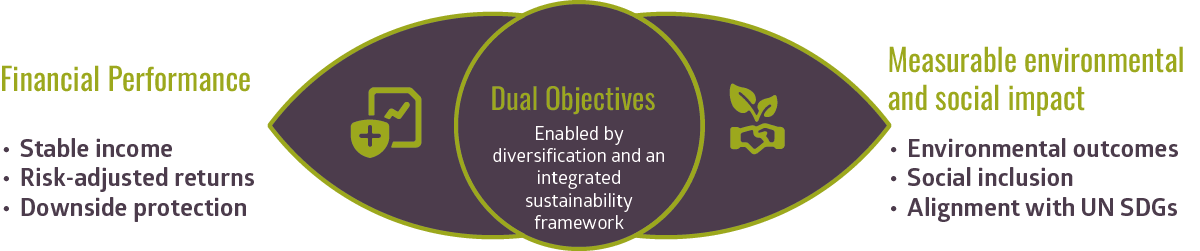
The strategy invests across a broad universe of fixed income instruments, including sovereign, supranational, government-related and corporate issuers. This multi-segment approach enables diversification across credit types, regions and economic cycles, reducing concentration risk while allowing the portfolio to capture opportunities across the full spectrum of emerging markets debt. Target countries include low-, lower-middle- and upper-middle-income economies, where access to capital remains uneven and investment flows can play a meaningful role in supporting economic development.
Investment decisions are based on a combination of top-down and bottom-up analysis. Macroeconomic and country-level assessments guide allocation decisions, while issuer-specific credit analysis ensures a disciplined evaluation of risk-return profiles. This is complemented by an active portfolio construction process, including the selective use of liquid instruments such as cash and money market exposures to manage volatility, preserving capital and maintaining flexibility in changing market conditions. A defining feature of the strategy is its integrated sustainability framework, which is embedded throughout the investment process rather than applied as a separate filter. The strategy is aligned with the United Nations SDGs and prioritizes investments that contribute to tangible environmental and social outcomes, including areas such as financial inclusion, infrastructure development and climate-related initiatives. This approach ensures that sustainability considerations are directly linked to investment decisions and portfolio composition.
Investment Process
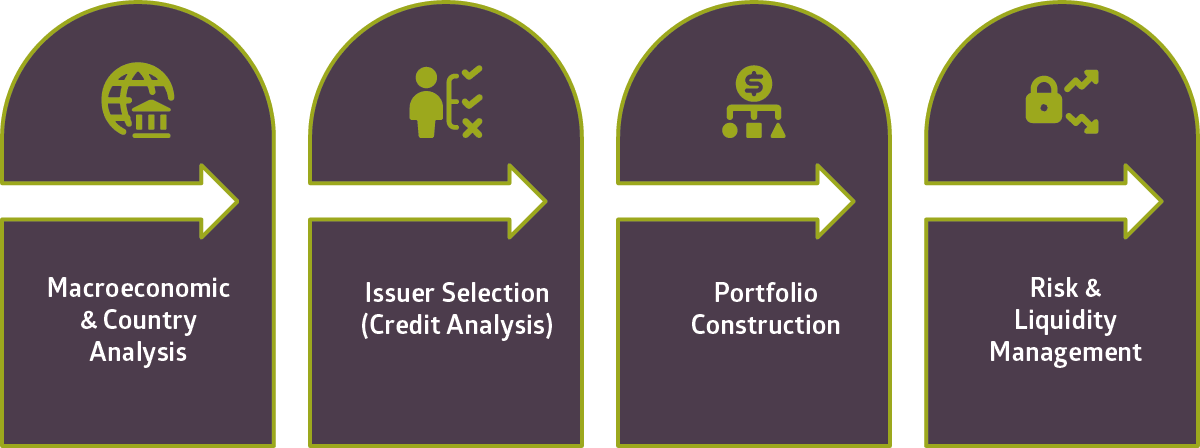
At the same time, the strategy is positioned within a segment of the market that continues to expand. The universe of sustainable fixed income opportunities in emerging markets is growing, supported by increasing issuance from sovereigns, development institutions and corporates seeking to finance development and transition-related activities. This provides a broader and more diversified opportunity set, enabling the strategy to allocate capital across instruments that combine financial returns with clearly identifiable use-of-proceeds.
Within the EQ platform, the sustainable bond strategy complements existing private debt strategies by introducing exposure to liquid public fixed income markets. It provides investors with an additional portfolio building block that combines liquidity, diversification and sustainability integration, while remaining consistent with the firm’s overarching objective of mobilizing capital towards inclusive and sustainable economic growth.
Are Development Finance Institution (DFI) Bonds THE NEW RISK-FREE ASSET CLASS?
For decades, sovereign bonds in advanced economies served as the anchor of institutional portfolios. They were liquid, stable and assumed to be fundamentally safe. That assumption is now under strain. Rising public debt, fiscal dominance, geopolitical fragmentation and inflation volatility have weakened the reliability of traditional safe havens. In real terms, many no longer protect capital.
In this environment, investors are being forced to reconsider what “risk-free” truly means. Increasingly, DFI bonds are emerging as a credible answer.
Reframing Risk-Free Assets
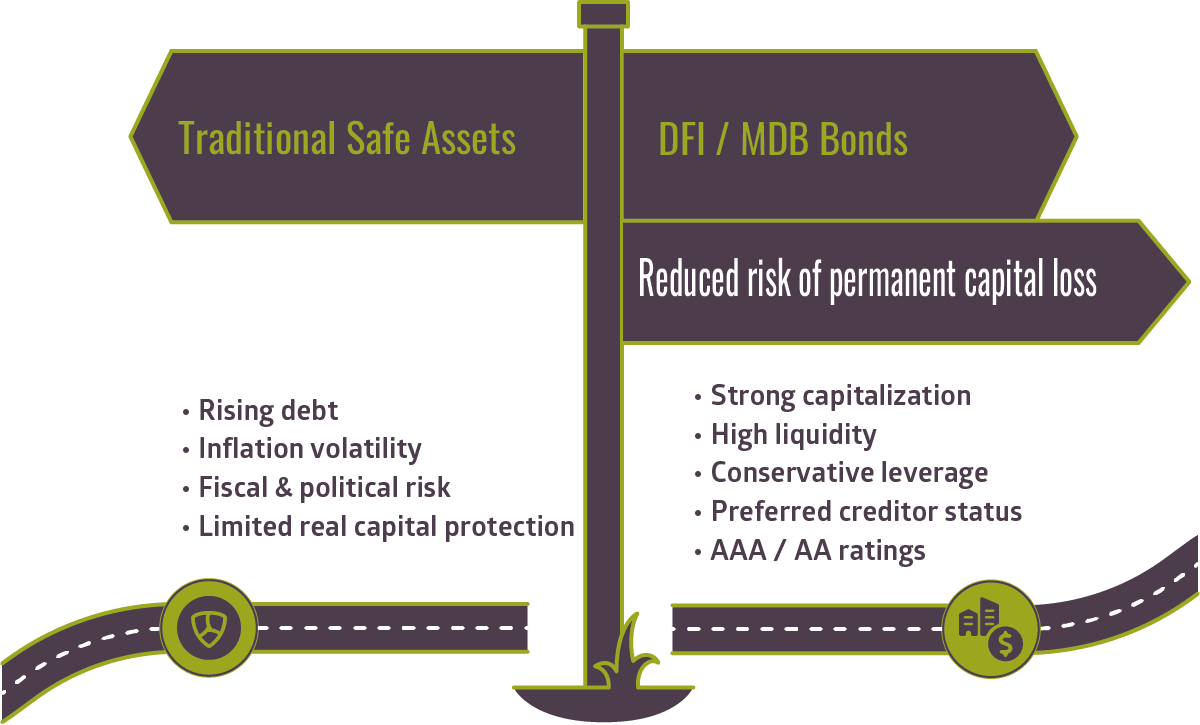
A different kind of issuer
DFIs, particularly multilateral development banks (MDBs) are public institutions established by governments, either bilaterally or through multilateral treaties, with an explicit mandate to promote economic development and address market failures. Multilateral DFIs, often referred to as multilateral development banks, are collectively owned by sovereign states and play a central role in global development finance11&12.
DFIs manage large, conservatively structured balance sheets and are among the most significant issuers in global capital markets. According to comparative reporting by multilateral development banks, their balance sheets are characterized by strong capitalization, high liquidity buffers and conservative leverage policies13. Their ability to issue bonds at scale reflects both their institutional strength and their systemic importance in international financial architecture.
Over the past two decades, DFIs have increasingly relied on bond markets as a primary funding channel. This has transformed DFI bonds into a distinct segment within global fixed income, widely held by central banks, pension funds and insurance companies14.
Why DFI bonds are structurally defensive
The risk profile of DFI bonds differs fundamentally from that of sovereign or corporate debt.
Defensive Characteristics of DFI Bonds
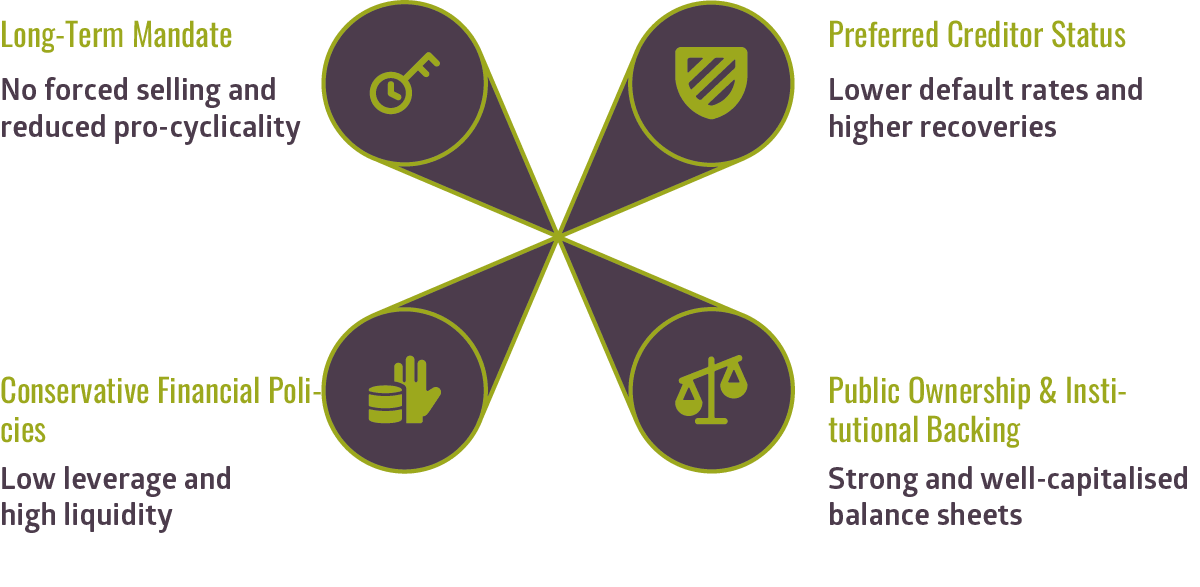
A defining feature is preferred creditor status. Empirical evidence shows that sovereigns are significantly less likely to default on obligations to MDBs than to private creditors. Fitch Ratings finds that default rates to MDBs are three to four times lower than those to private creditors for the same sovereigns and rating categories, with recovery rates close to full in most cases15. Similar conclusions are drawn by Moody’s, which highlights the exceptionally low historical default rates and high recovery values of MDB lending over multiple decades16.
This preferred status is not merely theoretical. Historical data from the World Bank’s International Bank for Reconstruction and Development show an average annual default rate of approximately 0.7% since the early 1980s, with defaults typically reflecting delayed payments rather than permanent losses17. These outcomes underpin the consistently high credit ratings assigned to DFIs, often in the AAA or AA range across major rating agencies18.
Equally important, DFIs are not driven by short-term market pressure. Their mandates prioritize capital preservation and development impact over return maximization. This reduces pro-cyclical behavior and eliminates forced selling dynamics that often amplify stress in commercial markets.
Resilience in an unstable world
Traditional safe assets have become increasingly exposed to political and fiscal risk. Sovereign downgrades, rising refinancing costs and debt sustainability concerns are no longer confined to emerging markets.
DFIs, by contrast, are designed to operate in volatile environments. Their mandates explicitly require engagement in emerging, frontier and fragile markets. As a result, risk management frameworks, country expertise and early warning systems are deeply embedded in their institutional DNA13. Volatility is not an anomaly. It is the operating baseline. This structural resilience has translated into stable credit performance across economic cycles and global crises, including periods of widespread sovereign stress and geopolitical disruption15&16.
A modern interpretation of “risk-free”
No asset is entirely without risk. However, if risk is defined as the probability of permanent capital loss rather than short-term price volatility, DFIs occupy a category of their own.
Their public ownership, systemic relevance, conservative financial policies and preferred creditor status make default scenarios highly remote. Rating agencies explicitly recognize these features, applying rating uplifts and lower risk weights relative to comparable sovereign exposures15&18.
At the same time, DFI bonds offer an additional dimension absent from most traditional safe assets: purpose. Bond proceeds are typically linked to financing for financial inclusion, climate mitigation, infrastructure, SME development and market creation, aligning capital preservation with measurable development outcomes14&19.
The new anchor
As investors reassess portfolio foundations, the question shifts from where returns are highest to where capital is most resilient.
Development Finance Institution bonds combine institutional strength, liquidity, transparency and long-term relevance. In a world where traditional risk-free assets no longer feel risk-free, they may represent the most credible modern alternative. Not because they promise higher returns, but because they are structurally built to last.
Structural Drivers of Credit Strength
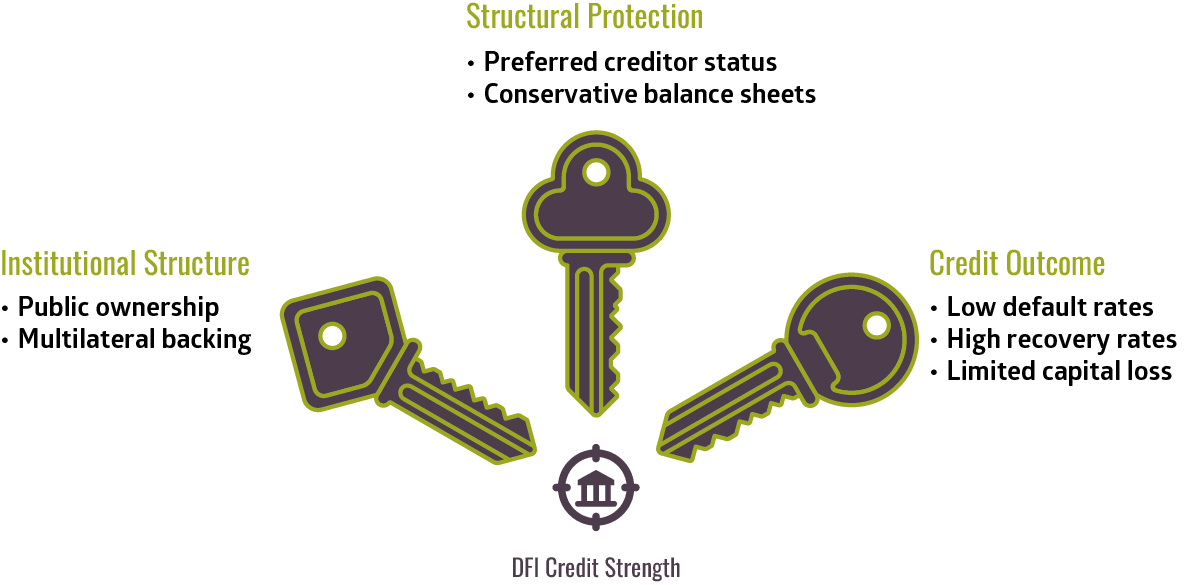
With Gratitude and CONTINUED COMMITMENT
Not just money, but meaningful impact
Dear Investors, Partners and Friends of Enabling Qapital,
It is clear that impact investing is entering a more demanding phase. Expectations are rising: capital must be deployed with precision, impact must be measurable, and outcomes must prove resilient under stress.
This report reflects an organization that has recognized this shift and is responding with discipline. What distinguishes the approach is not breadth, but rigor. Across financial inclusion, ESG integration, and emerging strategies such as clean cooking and liquid fixed income, the emphasis is consistently on strengthening underwriting standards, improving data quality, and sharpening the link between capital and outcomes.
Crucially, the report avoids overstating what impact investing can achieve. Financial inclusion is not positioned as a solution to poverty, but as a targeted and measurable contribution within a broader system shaped by structural constraints. This clarity is essential. It is the basis for credibility.
Results to date confirm that discipline matters. Affordability metrics, ESG filters, and structured monitoring frameworks are not secondary considerations, they are core to ensuring that capital translates into sustainable outcomes at borrower level.
The next stage will test consistency. As the platform expands, into new geographies, instruments, and thematic areas, the challenge is not growth itself but maintaining selectivity. Scaling capital without undermining standards will be the defining constraint.
As we look ahead, we remain committed to enforcing discipline, challenging our assumptions, and ensuring continued alignment between investment activity and impact objectives. Strong governance, rigorous investment processes, and accountability remain fundamental to how we deploy capital.
Impact investing will not be defined by ambition, but by execution. The foundation outlined in this report positions EQ to meet that standard, provided that rigor remains non-negotiable. Thank you for your continued trust, partnership and support.
The Management Team
Enabling Qapital
End NOTES
- Reported tCO₂e reductions represent estimated portfolio-level climate outcomes based on the methodologies and assumptions available at the time of reporting. Methodological approaches continue to evolve, and figures should not be interpreted as issued, sold, or retired carbon credits, nor as fully attributable to Spark+ capital alone.
- World Bank (2022). Poor People in Developing Countries Bear Brunt of Global Crises.
- United Nations Development Programme (UNDP). What Is Climate Security and Why Is It Important?
- World Bank. Financial Inclusion Strategies Resource Center.
- United Nations Sustainable Development Goals (UN SDGs). SDG 1: No Poverty.
- World Bank (2024). Poverty, Prosperity, and Planet Report 2024: Pathways Out of the Polycrisis.
- World Bank Group. The Global Findex Database 2025: Connectivity and Financial Inclusion in the Digital Economy. Washington, DC: World Bank Group.
- The SDG 1 analysis conducted by EQ is based on a sample of 125 investees across four regions, including Eastern Europe, the Caucasus and Central Asia (EECCA, 51 institutions), Latin America (LATAM, 34), Asia (23), and Africa and the Middle East (17). The portfolio reflects a broadly balanced composition across Tier 1 (49 institutions), Tier 2 (40), and Tier 3 (36), supporting diversification across market maturity levels.
- Affordability metrics are based on the MIX Market indicator “average loan balance per borrower as a percentage of GNI per capita”, applied in line with CGAP and World Bank guidance as a proxy for outreach.
- 60 Decibels (2025). Signal Database.
- European Parliamentary Research Service. Multilateral Development Banks: State of Play and Reform Proposals, 2024.
- U.S. Congress Research Service. Multilateral Development Banks: Overview and Issues for Congress, 2023.
- Council of Europe Development Bank and EBRD. Multilateral Development Banks Comparison Report, 2025.
- Overseas Development Institute. Multilateral Development Bank Bonds as an Emerging Asset Class, 2024.
- Fitch Ratings. New Sovereign Default Data Highlight MDBs’ Preferred Creditor Status, 18 February 2025.
- Moody’s Investors Service. MDB Default Statistics Confirm Strength of Preferred Creditor Status, April 2025.
- World Bank. IBRD Portfolio: Historical Borrower Default Experience, 2024.
- Fitch Ratings. Supranationals Peer Review, 2024.
- NordSIP. MDB Bonds: Impact and Safety During the Pandemic, 2020.
© 2026 Enabling Qapital Ltd. All images, graphics and visual materials are either owned by EQ or used with the permission of the respective copyright holder. Third-party copyright owners are acknowledged where applicable.