Enabling Qapital onboards a new Microfinance Mandate, surpasses USD 800 million AUM and expanding its reach to more than half a million end clients in emerging markets.

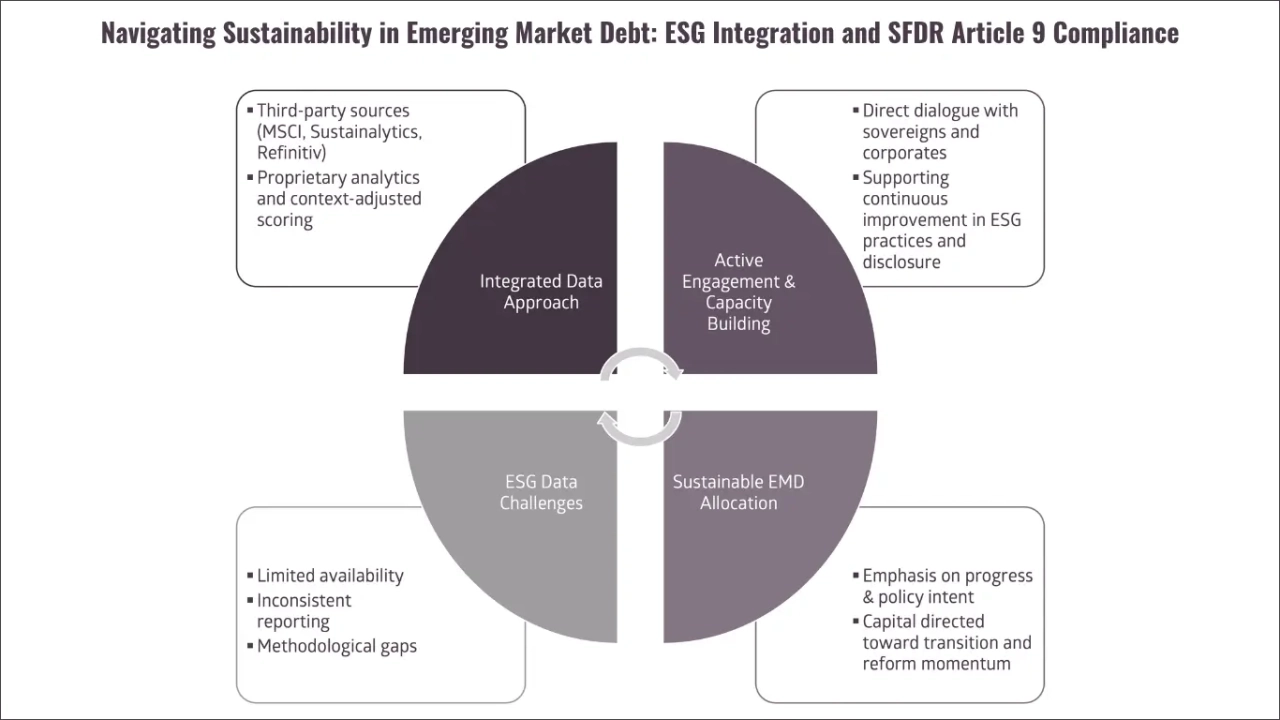
Emerging Market Debt (EMD) is no longer just a high-yield play, it’s becoming a cornerstone of sustainable finance. As investors seek both impact and performance, integrating Environmental, Social, and Governance (ESG) factors into EMD strategies is essential. Within the European Union’s Sustainable Finance Disclosure Regulation (SFDR), Article 9 sets the benchmark for what qualifies as a truly sustainable investment. But applying these standards in emerging markets presents unique challenges and opportunities.

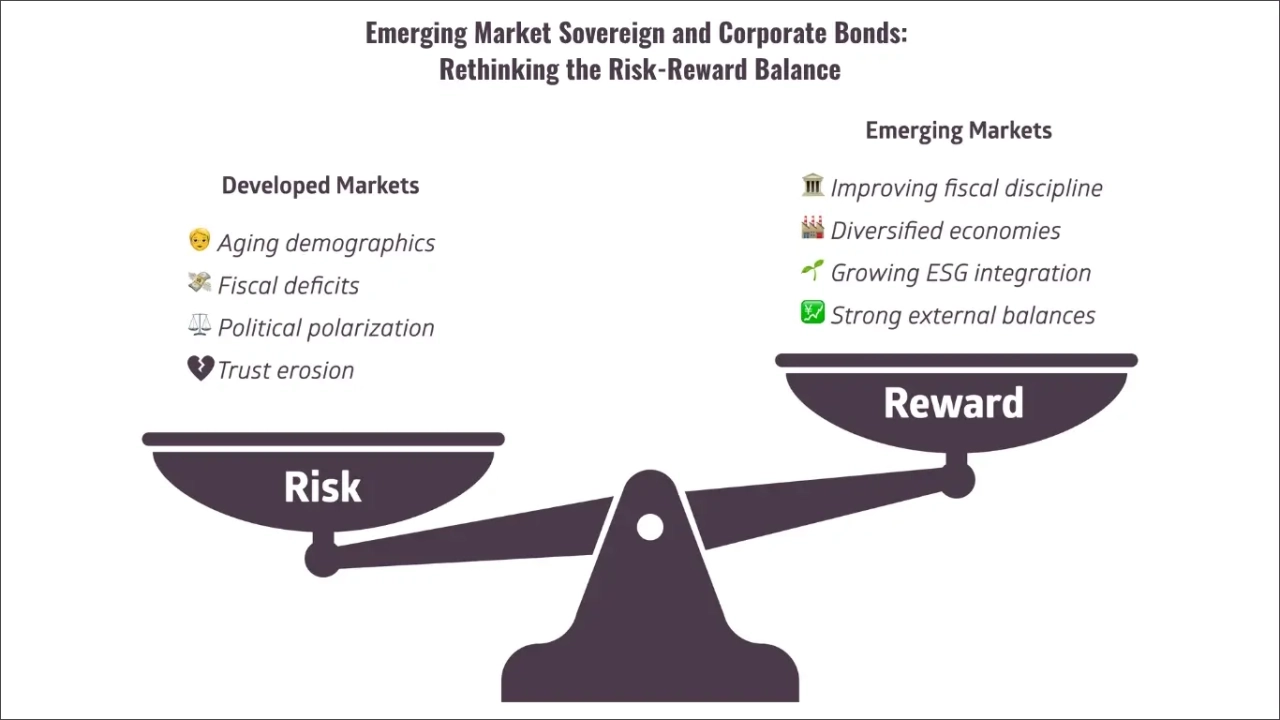
In today’s evolving macro landscape, investors are increasingly re-evaluating the traditional boundaries between Emerging Market Debt (EMD) and Developed Market Debt (DMD).

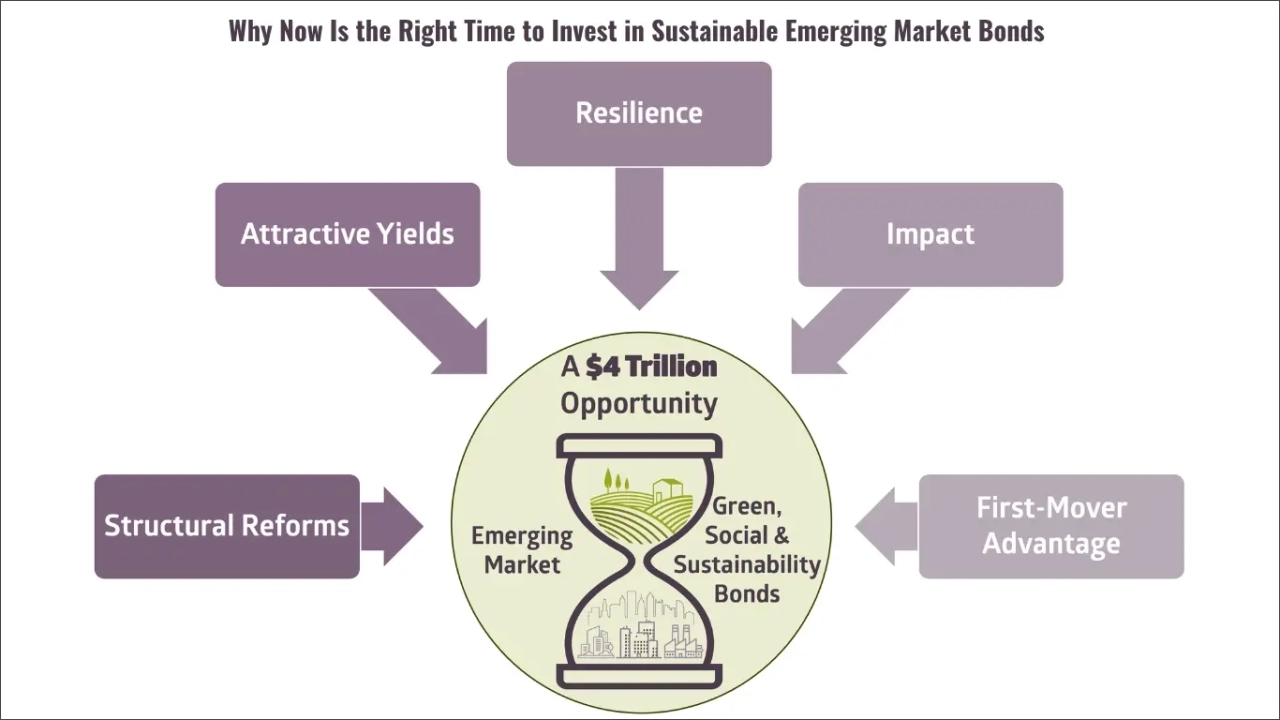
As global markets recalibrate in response to climate urgency, geopolitical shifts, and evolving investor expectations, Sustainable Emerging Market Bonds are emerging as a strategic asset class combining resilience, impact, and return. Here’s why now is a timely inflection point.

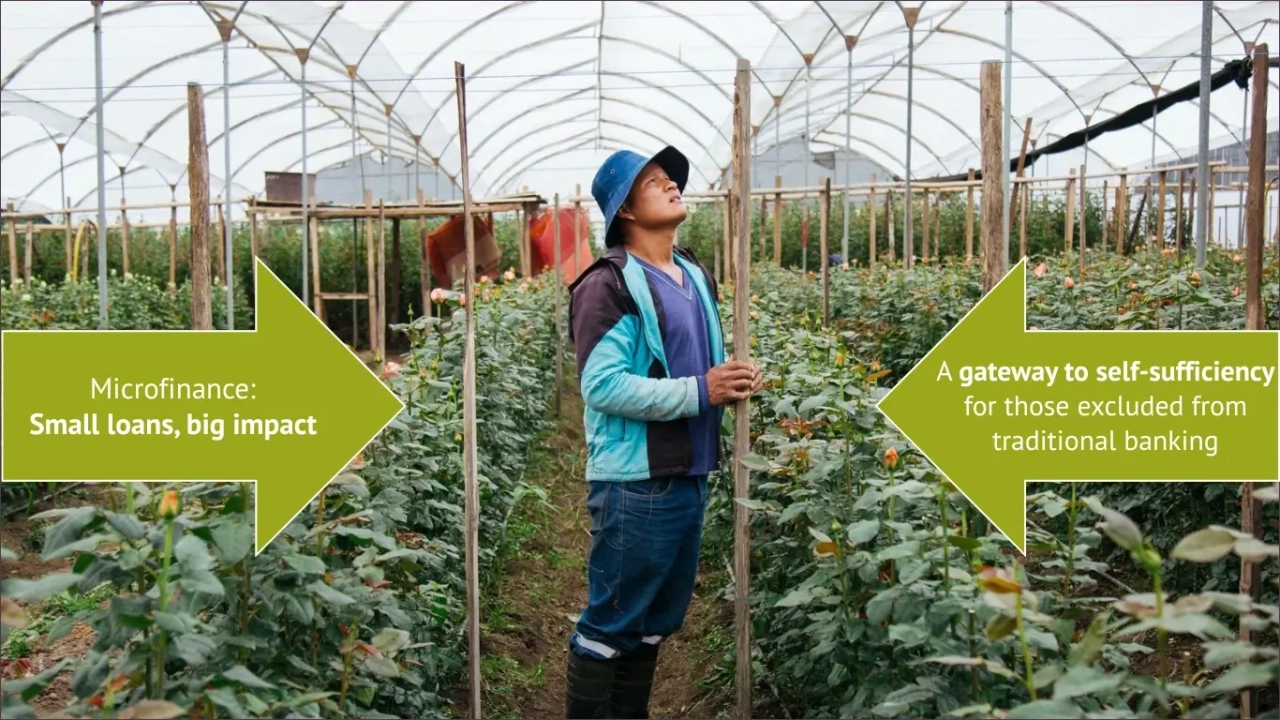
Microfinance is about more than just lending - it plays a crucial role in financial inclusion, creating significant impacts in underserved communities. In the world of finance, microfinance stands out as a powerful tool for economic empowerment. However, one aspect often raises questions among investors and observers alike: the interest rates.

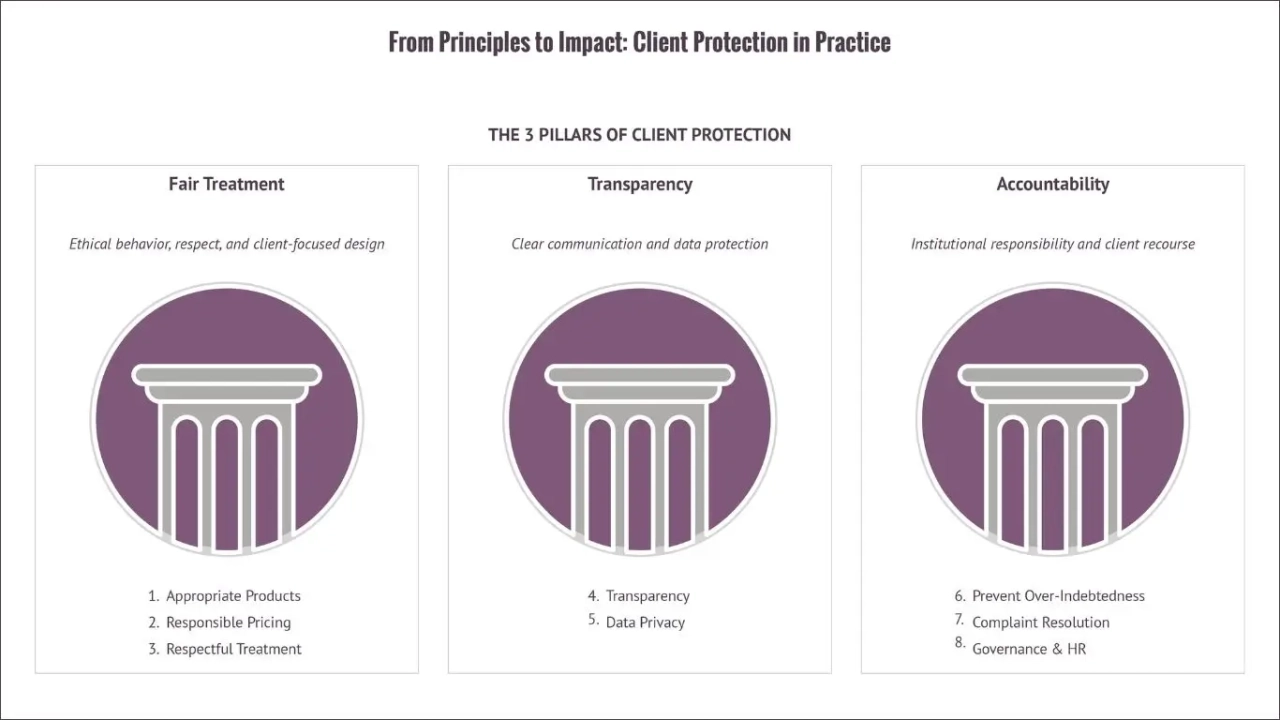
The Client Protection Principles (CPPs) filled a critical gap in responsible finance by providing a practical framework developed by practitioners for real-world implementation. These principles help financial institutions establish systems for fair treatment, transparency, and accountability in their operations.

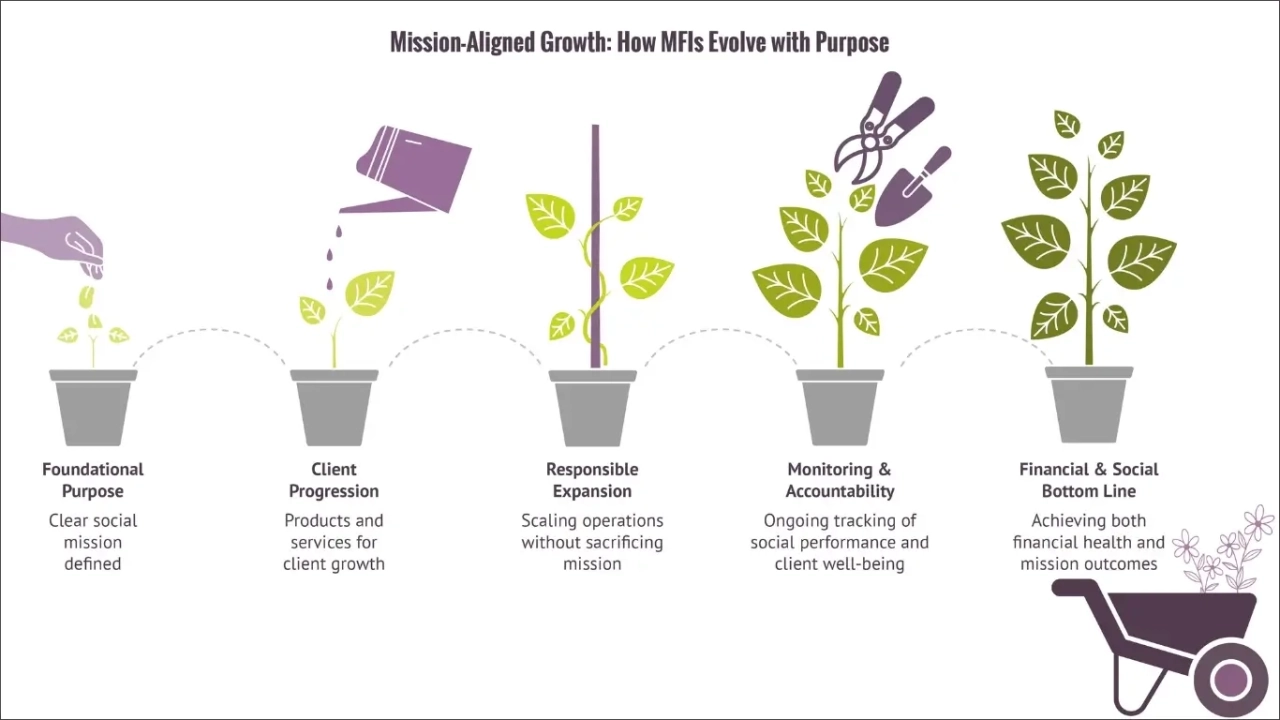
Microfinance institutions (MFIs) were founded with a clear purpose: to provide access to financial services for underserved communities - often low-income, informal, or rural clients - who are typically excluded from traditional banking. As MFIs grow, they adapt their services to meet evolving needs, and the clients they serve, ideally growing alongside them.

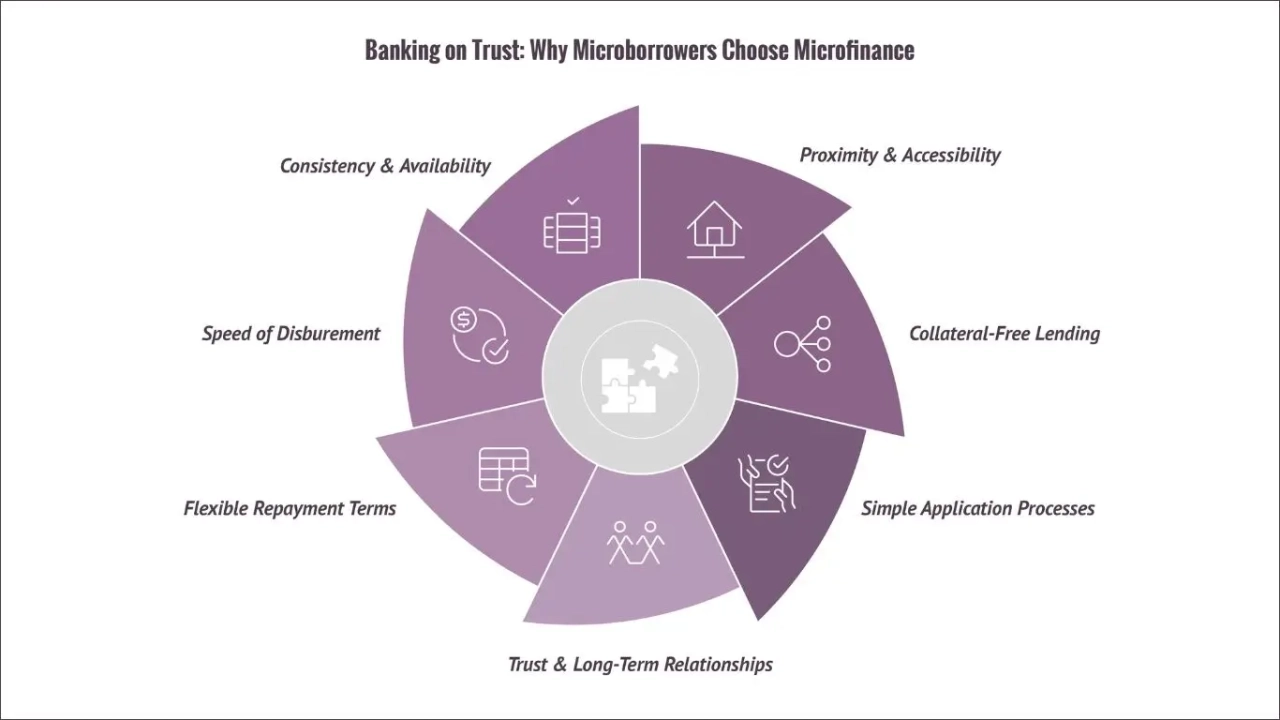
In many markets where microfinance institutions (MFIs) operate, borrowers may encounter a range of funding sources - from informal lenders to government-subsidized banks. Yet despite the apparent variety, most of these alternatives are either inaccessible, unaffordable, or unreliable for low-income clients. The consistent preference for microfinance reveals a deeper story about what underserved borrowers actually need and why MFIs remain vital to advancing financial inclusion.

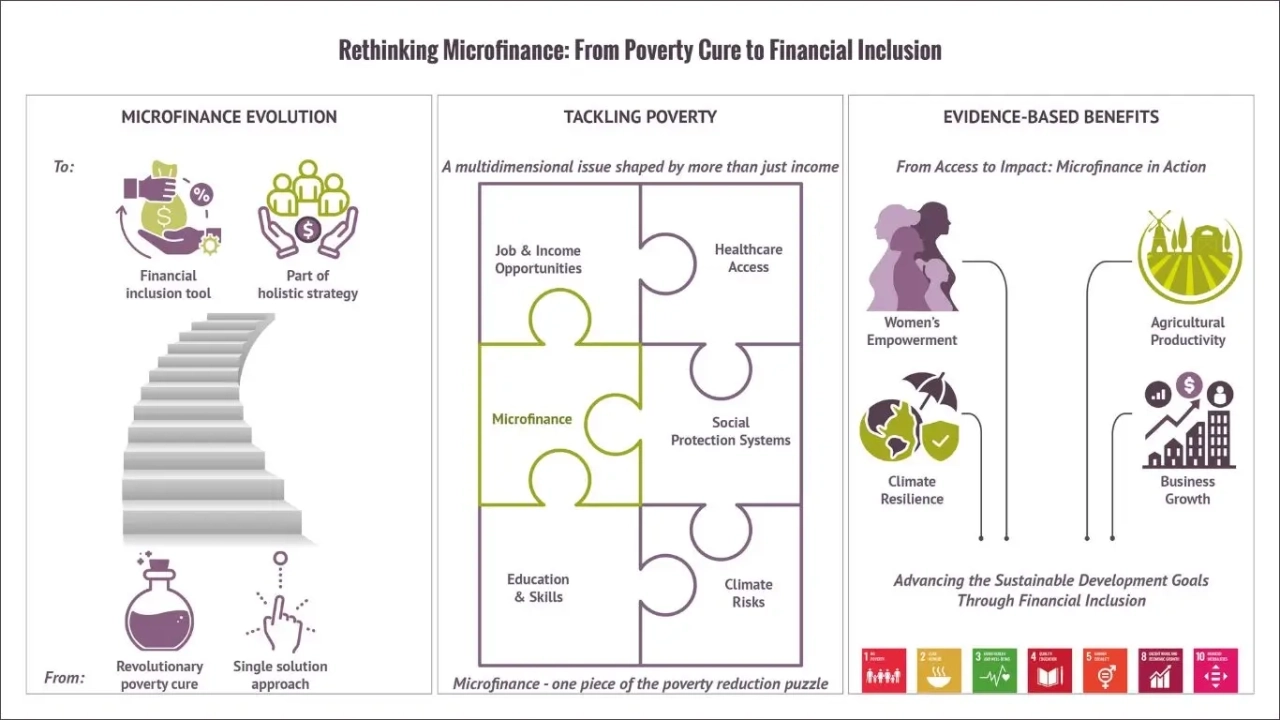
The promise of microfinance once seemed revolutionary: small loans could lift millions out of poverty and transform entire communities. Today, after decades of implementation and rigorous evaluation, we understand that the reality is more nuanced - and perhaps more valuable - than those early aspirations suggested.
In Madagascar – home to 30 million people and some of the world's most unique biodiversity – small business owners face a common challenge: access to capital.
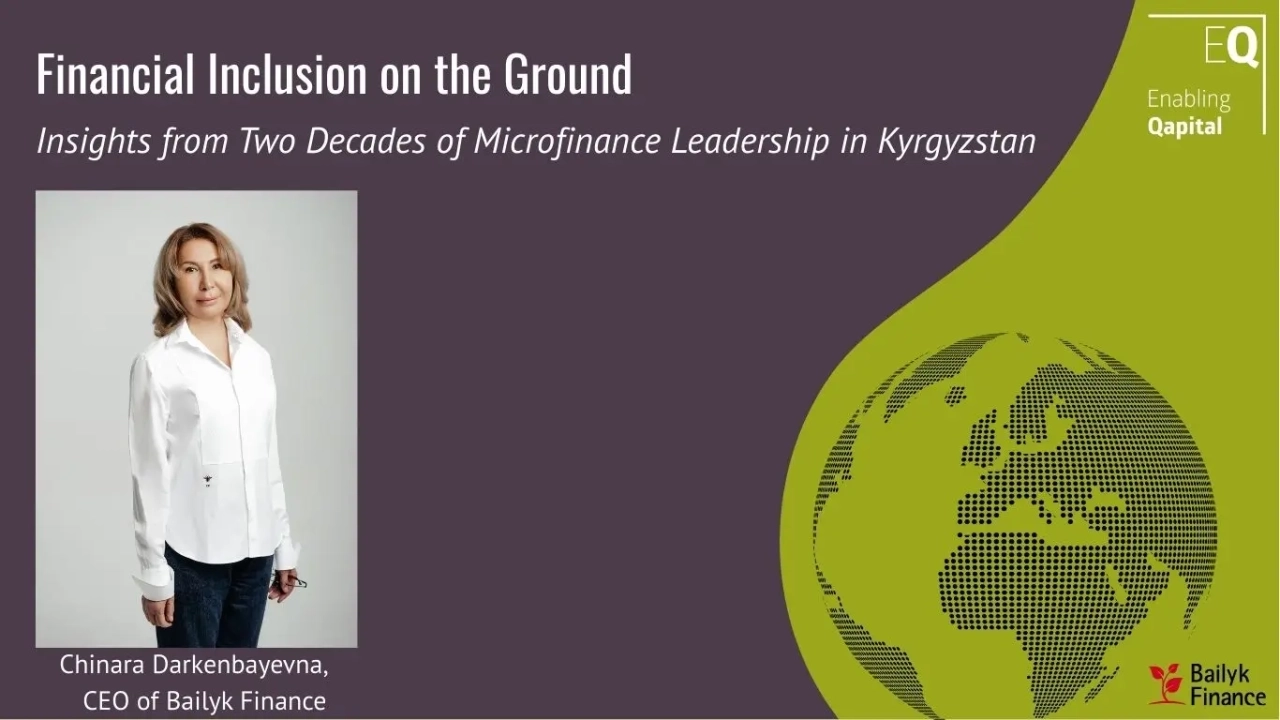
How the CEO of a Kyrgyz microfinance institution is redefining leadership, trust, and financial inclusion for underbanked communities.
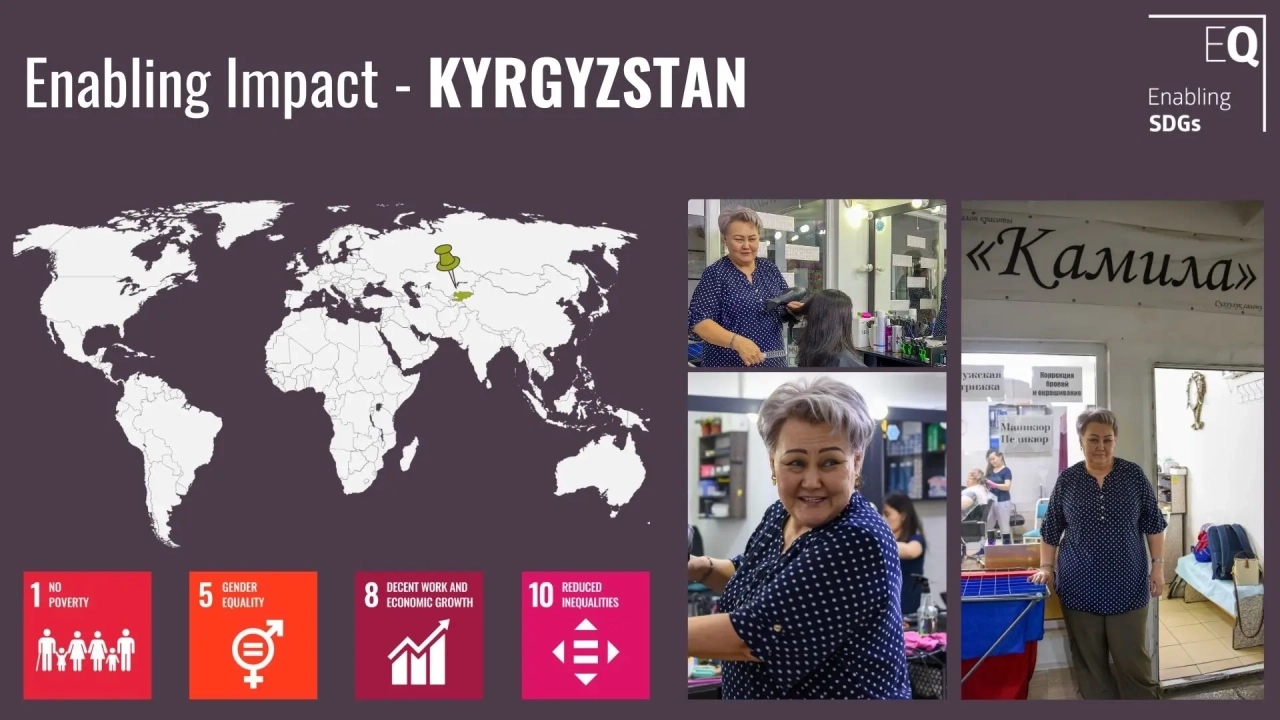
Aigul Dotalieva has been working in beauty salons for more than 35 years. She knows her craft well - hair, nails, makeup - but for most of her career, she worked for other people. It wasn't until her personal circumstances changed that she made the leap to start something of her own.

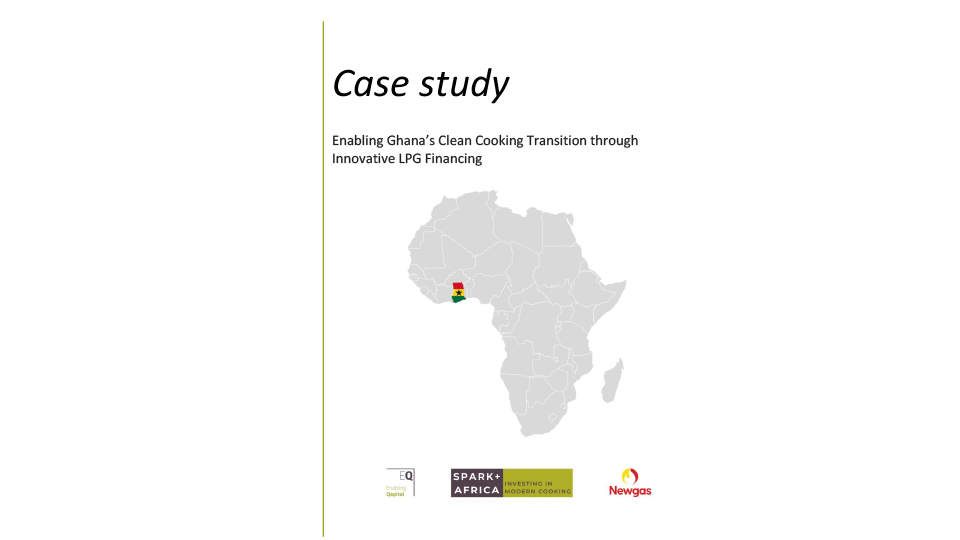
Article 6.2 of the Paris Agreement opens new pathways for countries to cooperate on climate action through carbon markets – enabling the transfer of emission reductions across borders. By applying this mechanism to the clean cooking sector, countries like Ghana can unlock innovative finance, reduce emissions, and improve public health at scale.

Why EQ?
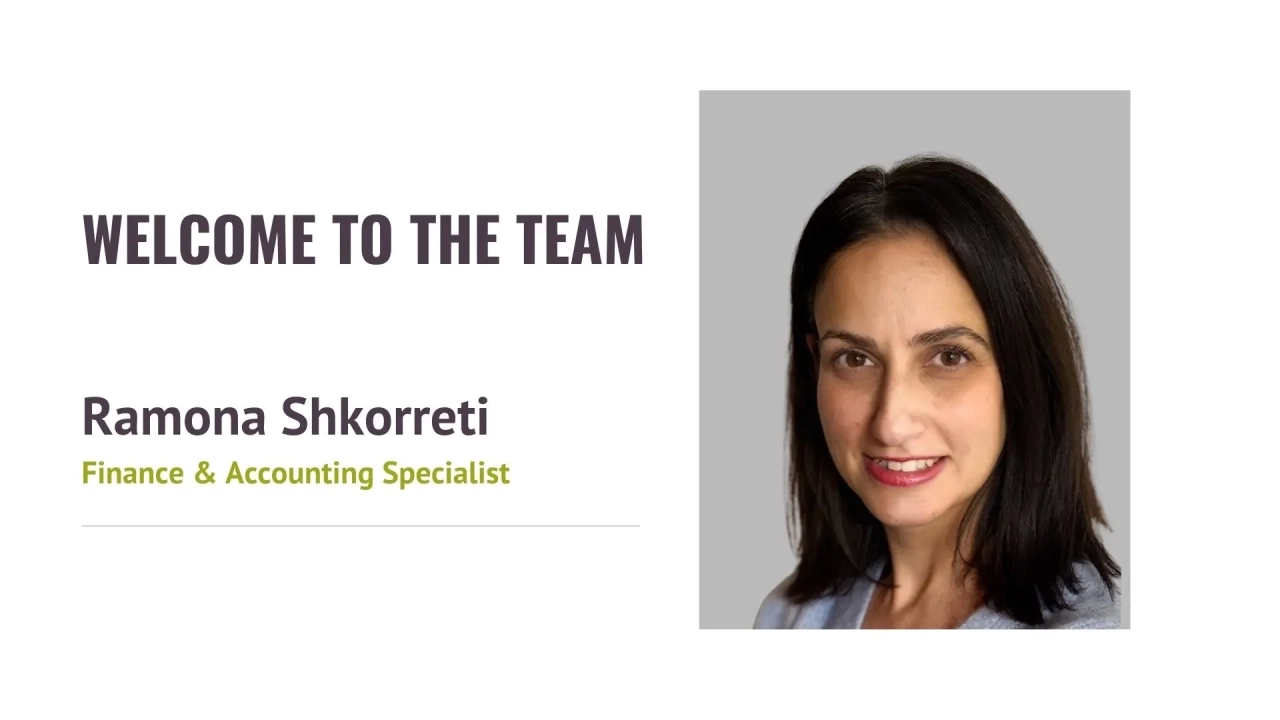
Joining Enabling Qapital allows me to align my financial expertise with my goal of driving positive social impact. I believe in the power of well-structured investments to empower individuals, strengthen communities, and foster sustainable economic growth. EQ's approach positions it as a leader in the evolving financial landscape, offering the ideal environment for innovation. Additionally, I'm excited about supporting progress in Latin America, a region rich in potential, through impact-driven investments that contribute to sustainable growth and align with the SDGs.

[Zurich, March 12th 2025] – Enabling Qapital (EQ), has been selected as an Emerging Impact Manager in the ImpactAssets 50™ (IA 50) 2025, a highly respected resource highlighting fund managers at the forefront of impact investing.

Why Enabling Qapital?
The people! Apart from the opportunity, I found everyone to be transparent and thoughtful.
Enabling Qapital, an impact asset manager dedicated to financial inclusion and access to energy, recently held a webinar on Advancing Gender-Lens Finance with our portfolio companies. The session highlighted how financial institutions can move beyond traditional approaches to create lasting economic inclusion and participation.
In the ever-evolving landscape of private equity (PE), secondary investments have emerged as a significant strategy, particularly in emerging markets (EM) and developing countries. These markets present a unique combination of high growth potential and challenging conditions, making secondary PE investments an attractive option for investors looking to balance risk and return. However, the path to successful secondary investments in these regions is not just about financial performance; it is also about responsible exit strategies that ensure sustainable impact. This article explores the dynamics of secondary PE investments in emerging and developing countries, outlines the importance of responsible exits, and connects these concepts to additionality.

Discover how Kashf Foundation is transforming lives and enabling financial independence in Karachi, Pakistan. Meet Mehmooda Kanwal, a skilled artisan who has turned her passion for sewing into a thriving business.

From welcoming new Board Members to achieving regulatory milestones, 2024 was defined by purpose and progress, showcasing significant strides in our mission to move money to meaning and create tangible differences in emerging markets. Our 2024 Year-in-Review visual journey highlights pivotal moments of growth, innovation, and impact while celebrating the collective achievements of our team, partners, and clients. Together, we remain committed to leading with purpose and making a lasting impact.

Why EQ?
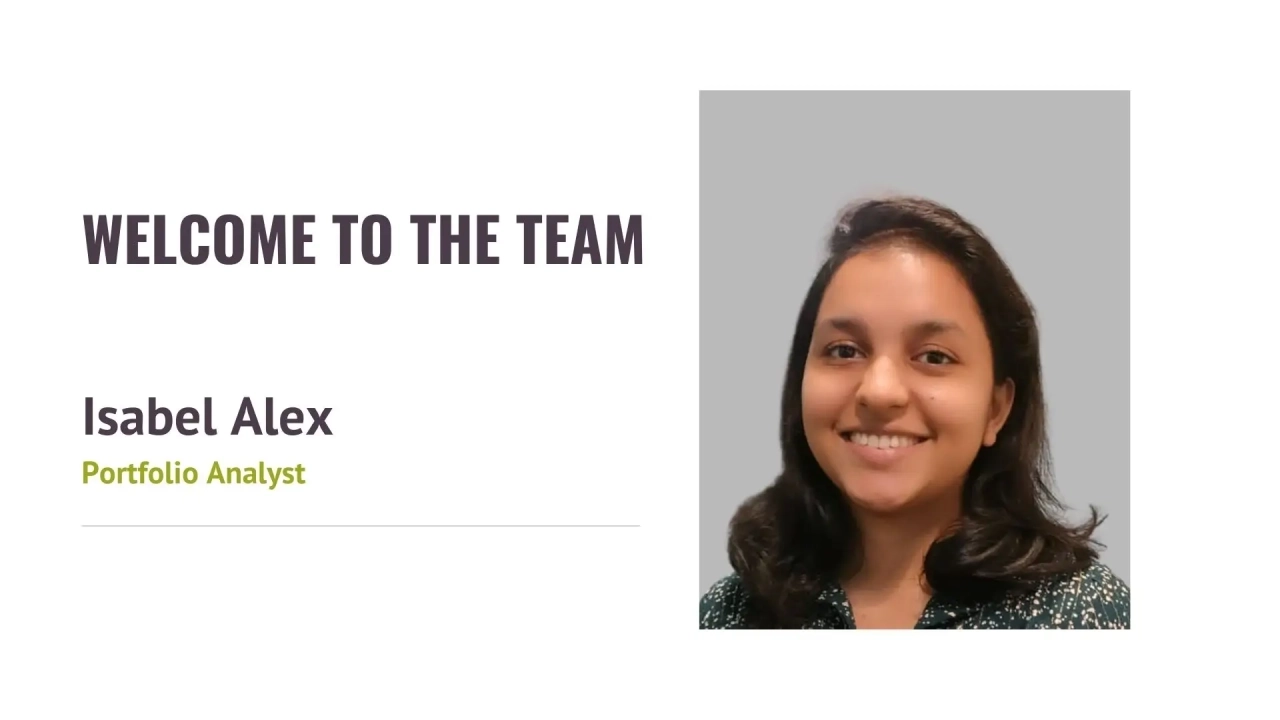
Enabling Qapital offers a unique opportunity to contribute to meaningful financial inclusion on a global scale. Working with EQ will allow me to collaborate with highly skilled, multicultural teams, each bringing diverse perspectives and innovative approaches to problem-solving. This dynamic environment excites me as it not only supports my growth but also aligns with my commitment to making a tangible impact in the world.

Why Enabling Qapital:
I’m drawn to Enabling Qapital’s vision of “Moving money to meaning,” which aligns with my belief in impact investing. The idea of using finance to generate both returns and positive social outcomes excites me. I’m motivated by the opportunity to contribute to meaningful change while advancing my career in finance.

Empowering Communities Through Microfinance: A Success Story from Karachi
In underserved communities, where access to financial resources, especially for women, is often limited, microfinance plays a pivotal role in fostering economic empowerment. Shakeel Ahmed, a branch manager at Kashf Foundation’s Karachi Saddar branch, shares his insights into how microfinance transforms lives and fosters independence, empowering women to lead change in their communities.

Why Enabling Qapital?
For nearly a decade, I have been actively involved in NGO social service weekend activities. Joining EQ, a leader in impact investing, would enable me to align my professional expertise with contributing to meaningful social impact projects.

Why Enabling Qapital?
I'm excited about EQ because it focuses on making a positive social and environmental impact through investments.

Spotlight on Ecuador | Armando Calderon | Faces
Investing in Innovation: Armando Calderon's Journey from Soil to White Gravel in Transforming Lettuce Farming
At Enabling Qapital, we are committed to making inv estments that create lasting impacts. Through our collaboration with FACES, an organization dedicated to supporting rural micro-entrepreneurs in Ecuador, we have witnessed numerous success stories that highlight the power of strategic financial support. One such story is that of Armando Calderon, a determined and innovative lettuce farmer.

Investing in emerging markets requires a nuanced approach that goes beyond mere financial calculations. It involves recognizing unique opportunities and addressing specific challenges. At Enabling Qapital, we place great emphasis on the potential of secondary private equity (PE) investments and the concept of additionality to foster sustainable development and economic growth. Let us explore how these two approaches work in tandem to create meaningful impact.

Why EQ?
Your company's mission to help those in need achieve their goals inspires me to work with you. Additionally, the opportunity to work in an international environment is particularly appealing to me.

Areas of Expertise?
Research-Data, Analysis-Development Sector, Financial Inclusion

On August 1, 2024, Alexandra Borja, one of our Investment Execution Officer at Enabling Qapital, attended the Swiss National Day celebration at the residence of the Swiss Embassy in Quito, Ecuador. This event marked the 733rd anniversary of the Swiss Confederation's founding and provided a valuable opportunity for reinforcing our international connections in the financial sector.

Mühlebachstrasse 164
8008 Zurich
Switzerland
Branch Geneva
Rue Hugo-De-Senger 7
1205 Geneva
Switzerland
Merchant Square Block B
2nd Floor, Riverside Drive
Nairobi
Kenya
Industriering 20,
9491 Ruggell
Liechtenstein
7, rue Robert Stümper,
2557 Luxembourg
Luxembourg


Mühlebachstrasse 164
8008 Zurich
Switzerland
Branch Geneva
Rue Hugo-De-Senger 7
1205 Geneva
Switzerland
Merchant Square Block B
2nd Floor, Riverside Drive
Nairobi
Kenya
Industriering 20,
9491 Ruggell
Liechtenstein
16, rue Robert Stümper,
2557 Luxembourg
Luxembourg


© 2025 Enabling Qapital Ltd - Privacy Statement - Disclaimer and Terms & Conditions - Contact - Design Magiris